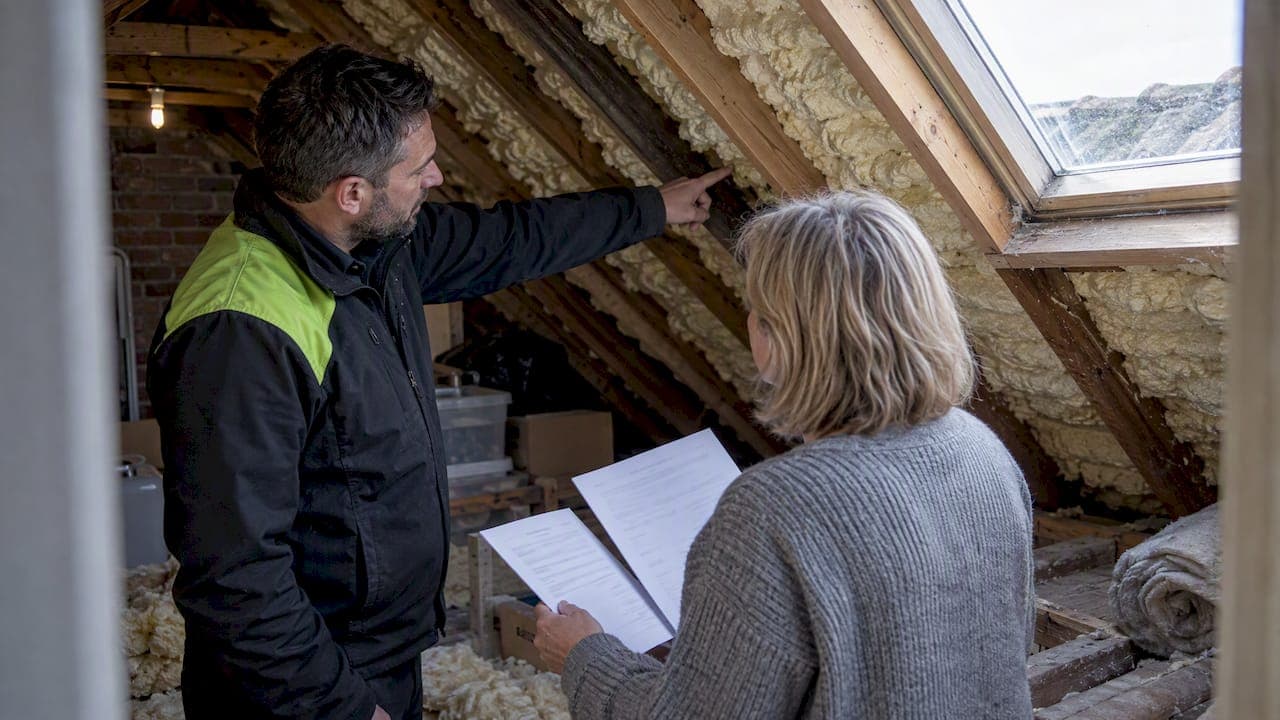
If someone calls or knocks on your door offering a free survey or urgent spray foam removal, treat it as suspicious. Do not agree to anything on the spot and never pay a deposit. Arrange an independent survey through a RICS or PCA member first, and if you are unsure, contact Trading Standards or Citizens Advice before signing anything.
TL;DR:
- Running checks on company registration, credentials, reviews, and insurance before accepting any survey can prevent falling for scams or rogue traders.
- Scammers often claim to work with official databases, pressure for quick decisions, and use fake credentials, making independent verification crucial.
- Contact your bank immediately and report to authorities if you have paid or been targeted, and always verify surveyors' credentials with official directories.
- Genuine removal processes require an independent survey, clear quotes, no upfront deposits, and a detailed inspection pack referencing manufacturer data.
- Lenders evaluate spray foam insulation on a case-by-case basis, and proper documentation can support your mortgage application even if removal is not necessary.
Table of Contents
- 1. Seven free checks any homeowner can run before agreeing to a survey or removal
- Common scam tactics and red flags specific to loft and spray foam removal
- If you get a phone call, someone at the door, or you've already paid: exact next steps
- How to verify a company, surveyor or 'inspector': exact questions and checks
- Why surveyors and lenders are cautious about spray foam
- What a legitimate spray-foam removal process looks like
- Perspective: protecting vulnerable adults in the family and the street
- Trusted, certified options for a safe survey or removal
- FAQ
- Sources
- Quick list of official guidance and helplines
1. Seven free checks any homeowner can run before agreeing to a survey or removal
Before you let anyone near your roof space, a handful of quick checks can save you thousands of pounds and a lot of worry. None of them cost anything, and a genuine business will never object to you running them.
- Check the company's number and incorporation date on Companies House and compare it against the quote. Rogue traders often dissolve and reopen under new names, a pattern known as "phoenixing" that Trading Standards in Bromley has flagged repeatedly.
- Search the PCA "Find a member" tool and the RICS directory to confirm any named surveyor or inspector genuinely holds that credential.
- Refuse deposits and never sign anything on the doorstep. You have 14 days to cancel a contract agreed away from a trader's normal premises.
- Look for reviews across several independent platforms rather than screenshots sent by the trader, and ask for referees you can actually call.
- Ask for a full inspection pack, proof of insurance and a clear written scope of works before committing to anything.
- Question quotes that seem unusually low or unusually high, and always get at least two independent quotes for comparison.
- If anything feels off, pause the conversation and book an independent, non-affiliated survey first.
Common scam tactics and red flags specific to loft and spray foam removal
Scammers rely on a handful of scripts that repeat across the country, and recognising them is often the quickest way to shut a scam down.
- Cold callers who claim to work from a "national database" or to be acting on behalf of a council or government scheme, a tactic Herefordshire Council has warned residents about directly.
- Pressure to sign immediately or waive your statutory cancellation rights, often dressed up as a "today only" discount.
- Impersonation of PCA or RICS surveyors using fake ID or copied logos, something the Property Care Association has specifically warned its members and the public about.
- Claims that your existing spray foam will make the house unsellable unless it is removed that week.
- Unusual payment requests, including cash in hand, bank transfer to a personal account, or a part payment demanded before any work has started.
If you get a phone call, someone at the door, or you've already paid: exact next steps
Acting quickly and calmly limits the damage and gives official bodies the best chance of helping you or stopping the same operator targeting someone else.
- Do not agree to further access and never let anyone back into your home without independently verifying who they are.
- If you have already paid, contact your bank or card provider straight away and ask about a chargeback or refund.
- Report the approach to the Citizens Advice consumer helpline, your local Trading Standards team and Action Fraud, and keep a written record of what happened.
- Note down names, vehicle registrations, photographs and any paperwork left behind, along with the date and time of contact.
- Arrange an independent RICS or PCA survey before allowing any further work, and make sure that surveyor has no commercial link to the installer who contacted you.
How to verify a company, surveyor or 'inspector': exact questions and checks
A few direct questions can expose a forged credential or a phoenix company faster than any amount of online searching.
- Check the Companies House number against the incorporation date the trader claims, since a business "established in 1998" with a two-year-old registration is a clear mismatch.
- Use the PCA "Find a member" search and the RICS member lookup to confirm the named individual's credentials, email address and contact details.
- Ask for insurance certificates, manufacturer test records such as BBA or Kiwa certification, and a written inspection pack covering the property.
- Call at least one referee directly and be wary of testimonials that read almost identically across different jobs.
Pro Tip: Ask the surveyor "under what circumstances would you tell me to do nothing?" A genuinely independent professional can answer that question without hesitation; a salesperson usually cannot.
Why surveyors and lenders are cautious about spray foam
The caution around spray foam is not scare tactics, it comes down to what a surveyor can and cannot see once foam is sprayed over timber. RICS guidance warns that spray foam can hide roof timbers from view, which makes it harder to assess their condition without removing some of the material first, so an independent survey separate from any installer matters more here than in most home improvement decisions.
An inspection pack built from manufacturer specifications, installation calculations and test certificates is often what allows an assessor to rule out risk without removal. Without that paperwork, a surveyor may have little choice but to recommend removal or even re-roofing, according to technical guidance on inspection practice. Closed cell and open cell foam behave differently, and foam applied directly to the underside of roof tiles or slates, rather than to a membrane, tends to raise more concern. Lenders generally assess each property case by case rather than applying a blanket rule, which is exactly why removal should never be your first assumption the moment someone mentions the word "foam."

What a legitimate spray-foam removal process looks like
A properly run removal job looks nothing like the doorstep pitch described above. Expect this sequence instead:
- An independent survey first, carried out by someone with no financial stake in whether removal goes ahead.
- A documented inspection pack referencing manufacturer data and any available test records for the original installation.
- A transparent written quote with no deposit demanded upfront and a scope of works that covers reinstatement and any warranty terms.
- A team working to PCA-aware standards, backed by insurance, who provide an evidence pack once work is finished.
- Clear timings and paperwork you can hand to a lender or a buyer's solicitor as part of a sale or remortgage.
If removal does go ahead and you are concerned about damp or condensation showing up afterwards, early signs are worth acting on fast: a survey-led approach to mould after insulation work can catch problems within 24 to 48 hours rather than letting them take hold.
Perspective: protecting vulnerable adults in the family and the street

If an older relative or neighbour gets a cold call about loft insulation, encourage them to loop in a trusted family member before agreeing to anything. A second opinion over the phone, even a quick one, often breaks the pressure a scammer relies on.
Suggest recording the call where possible, refusing any doorstep pressure outright, and reporting repeat offenders to the local council. Community reporting genuinely helps Trading Standards build a pattern against the same operators.
— jessica
Trusted, certified options for a safe survey or removal
Once you have run your checks and you are ready to get real answers about your loft, we offer surveys and removals that follow the process described above: no deposit, a written scope of works, and warranty on completed jobs. Our technicians communicate directly with you rather than through a call centre or a lead-selling website, so the person quoting your job is the person doing it.
If you want indicative costs before booking, our spray foam removal cost guide breaks down open cell and closed cell removal pricing, and our full services page lists survey options including a basic visual survey, a full roof report with photos, and drone-based inspections for homes where roof access is difficult.
FAQ
What should I do if I receive phone calls about loft insulation?
Do not agree to a survey or removal during the call, and never give payment details over the phone. Hang up, check the caller's claimed company against Companies House and the PCA member directory, and report the call to Citizens Advice or your local Trading Standards team if anything felt pressured or dishonest.
How much does it cost to remove spray foam insulation in the UK?
Removal costs typically run from £1,000 to £7,000 depending on whether the foam is open cell or closed cell and how much of the roof is affected. Be wary of any quote that sits far outside this range in either direction, and always get at least one independent comparison quote before agreeing to work.
How do I know if a spray foam removal company is genuinely PCA certified?
Search the company or individual's name directly on the PCA's "Find a member" tool rather than trusting a logo or certificate shown to you in person, since the PCA has confirmed that scammers have used fake ID and copied branding. A genuine member will have a current, searchable listing with matching contact details.
Is it illegal for someone to pressure me into signing on the doorstep?
Doorstep sales agreed away from a trader's normal place of business carry a legal 14-day cancellation right, and refusing to tell you about that right is itself a red flag. Organisers of rogue cold-call insulation operations have faced prosecution and custodial sentences in past cases, including one in Herefordshire.
Will spray foam insulation stop me getting a mortgage?
Not automatically. Lenders tend to assess spray foam case by case rather than applying a blanket refusal, and Surrey County Council's Trading Standards team advises getting an independent survey before assuming removal is the only option. A documented inspection pack showing the original installation specifications often does more to support a mortgage application than removal alone.
Sources
- Trading Standards alert – stay vigilant against spray foam scams (Bromley)
- Council officers step in to help residents avoid potential loft insulation scam (Herefordshire)
- PCA: trade body issues warning over scammers targeting householders with spray foam removal (June 2025)
- RICS spray foam consumer guide
Quick list of official guidance and helplines
For further reading, start with the PCA's consumer guidance, the RICS spray foam guide, and the Citizens Advice green scam advice, and report any suspicious approach to Action Fraud.