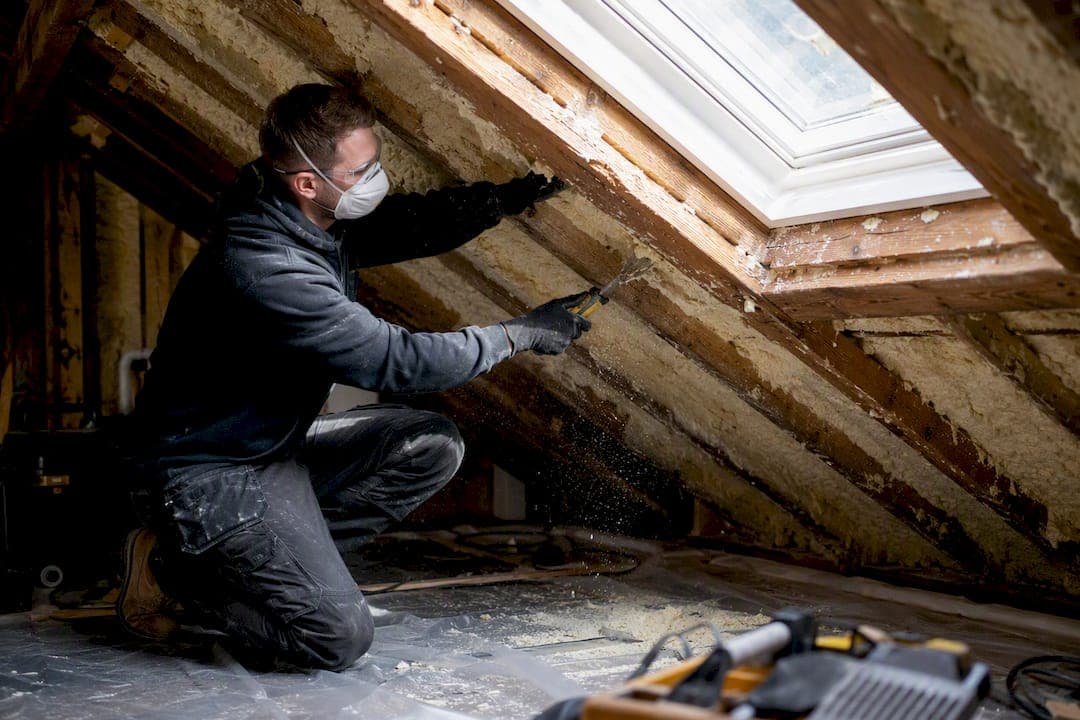
Yes, spray foam insulation can almost always be removed. It's rarely quick or cheap, and it's not always necessary. Removal typically ranges from £3,200 to £15,000 depending on the property, according to House of Commons Library research, and industry guidance from RICS and the Property Care Association (PCA) both recommend inspection before you commit to anything drastic.
- Verdict: removal is technically possible in nearly every case, but often disruptive and expensive.
- First move: get a proper inspection or a PCA/RICS-aware report before booking removal work.
- Cost reality: typical UK jobs run from around £3,200 to £15,000.
Key Takeaways
Spray foam removal is technically achievable in almost every case, but it should follow a documented inspection rather than assumption or pressure.
| Point | Details |
|---|---|
| Removal is possible, not always needed | Correctly installed, certified foam rarely requires removal unless a lender or surveyor flags it. |
| Get inspected before you remove anything | A PCA/RICS-aware report often resolves lender concerns without any physical removal. |
| Costs range widely | UK removal typically runs £3,200 to £15,000 depending on foam type and roof complexity. |
| DIY is only for fresh, uncured spills | Cured roof foam removal carries real risks to timber, tiles, and electrics. |
| Revive Maintenance offers a certified route | PCA-certified in-house technicians, fixed pricing, and a 10-year insurance-backed warranty across London and the South East. |
Table of Contents
- Can you remove spray foam insulation, and when is it actually necessary?
- Why homeowners ask whether spray foam can be removed
- How do you know if removal is actually necessary?
- What does the removal process actually involve?
- How much does spray foam removal cost in the UK?
- Should you attempt DIY spray foam removal?
- How do you choose a spray foam removal specialist?
- What should you receive once removal is complete?
- How Revive Maintenance approaches spray foam removal
- If you need removal, here's how to get started
- Sources
- FAQ
Can you remove spray foam insulation, and when is it actually necessary?
Spray foam is not permanently fused to your roof the way some sellers implied. Mechanically, it can be cut, scraped, or vacuum-extracted from timbers, tiles, and joists by a trained team. The real question isn't whether removal is possible. It's whether it's necessary for your situation.
The Insulation Manufacturers Association (IMA) makes a point worth taking seriously: where spray foam was installed correctly and holds valid third-party certification from the British Board of Agrément (BBA) or Kiwa, it rarely needs to come out at all. Removal usually enters the conversation for one of three reasons: a mortgage lender has flagged it, a survey has raised concerns about timber condition, or you're simply preparing to sell and want the issue resolved before it becomes a negotiating chip for the buyer.
That distinction between "removable" and "needs removing" matters more than most homeowners realise when they first start searching for answers.
Why homeowners ask whether spray foam can be removed
Most enquiries start with a stalled house sale or a mortgage application that's hit a wall. Lenders can be cautious because surveyors can't inspect timbers hidden beneath a layer of cured foam, and that uncertainty gets priced as risk.
A significant fraction of major UK lenders may decline to lend on a property where spray foam is present, according to the Commons Library briefing. That single statistic explains why so many removal enquiries come from people mid-sale, not people worried about their insulation performance.
There are structural triggers too, and they're worth taking seriously:
- Poor original installation that trapped moisture against timber, encouraging rot over time.
- Restricted roof ventilation, which can accelerate decay in enclosed spaces.
- Missing or incomplete paperwork from the original installer, leaving surveyors with no evidence to work from.
- Legacy from earlier energy-efficiency schemes, where well-meaning government-backed insulation drives left thousands of homes with foam that later became a marketability headache rather than a saving.
Trading Standards has also flagged a second wave of concern: cold-calling firms targeting affected homeowners with pressure-sell removal offers. If someone rings you unprompted about removing your foam, that alone is reason to hang up.
How do you know if removal is actually necessary?
Before booking any removal work, run through a proper assessment. This is the step most homeowners skip, and it's the one that saves the most money.
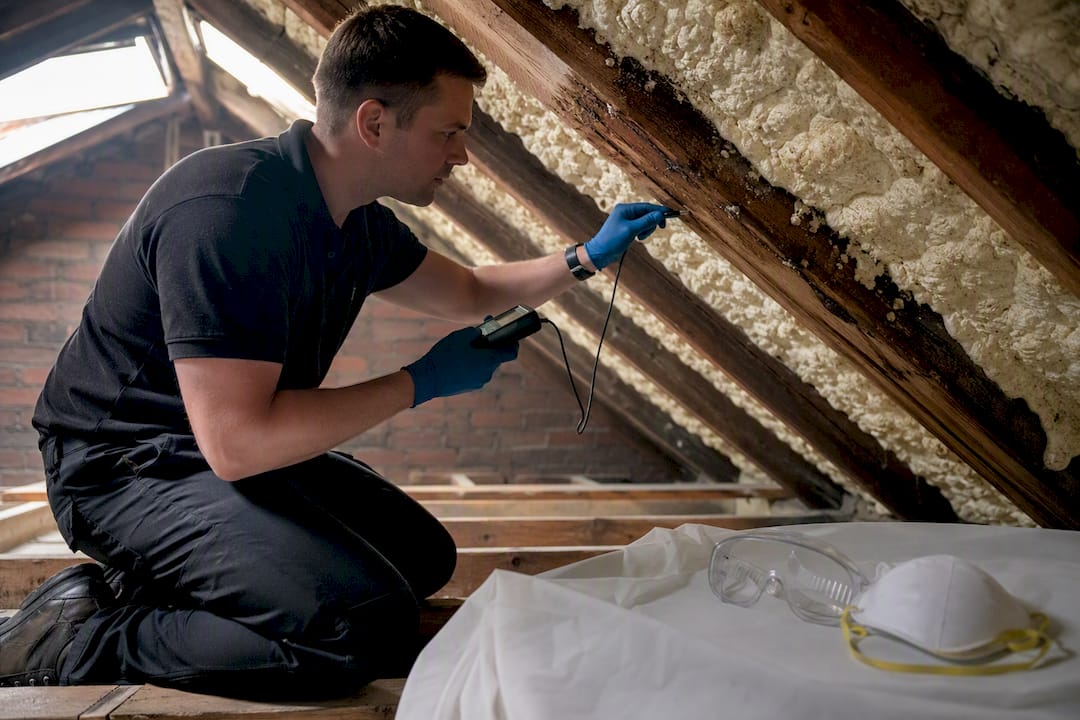
A qualified inspection typically covers four things: a visual check of the foam's condition and coverage, a moisture reading on accessible roof timbers, a review of any installation records or certificates you still hold, and an assessment of loft ventilation. The PCA and the Residential Property Surveyors Association developed a specific inspection protocol for sprayed foam precisely so surveyors have a consistent way to separate low-risk installations from ones that genuinely need specialist attention.
Paperwork can make or break your case with a lender. Keep hold of:
- The original product certificate (BBA or Kiwa accreditation).
- Any installer warranty or insurance-backed guarantee.
- Before-and-after photos from the original installation, if you have them.
- Any previous survey reports that reference the foam.
If you're starting from scratch, a sensible order of operations looks like this: arrange an impartial survey first, gather whatever paperwork exists, then request a PCA/RPSA or RICS-aware report that a lender will actually accept.
Pro Tip: Where a lender has objected on the strength of a standard valuation survey alone, an independent PCA-certified inspection with a written report often resolves the impasse without a single scrap of foam being removed.
What does the removal process actually involve?
Removal is a physical, methodical job rather than a chemical one. There's no solvent that dissolves cured foam cleanly (a can of WD-40 won't touch fully cured material), so contractors rely on mechanical methods: cutting and scraping the foam away from timbers, and using extraction vacuums to lift loose debris without scattering it across the loft.
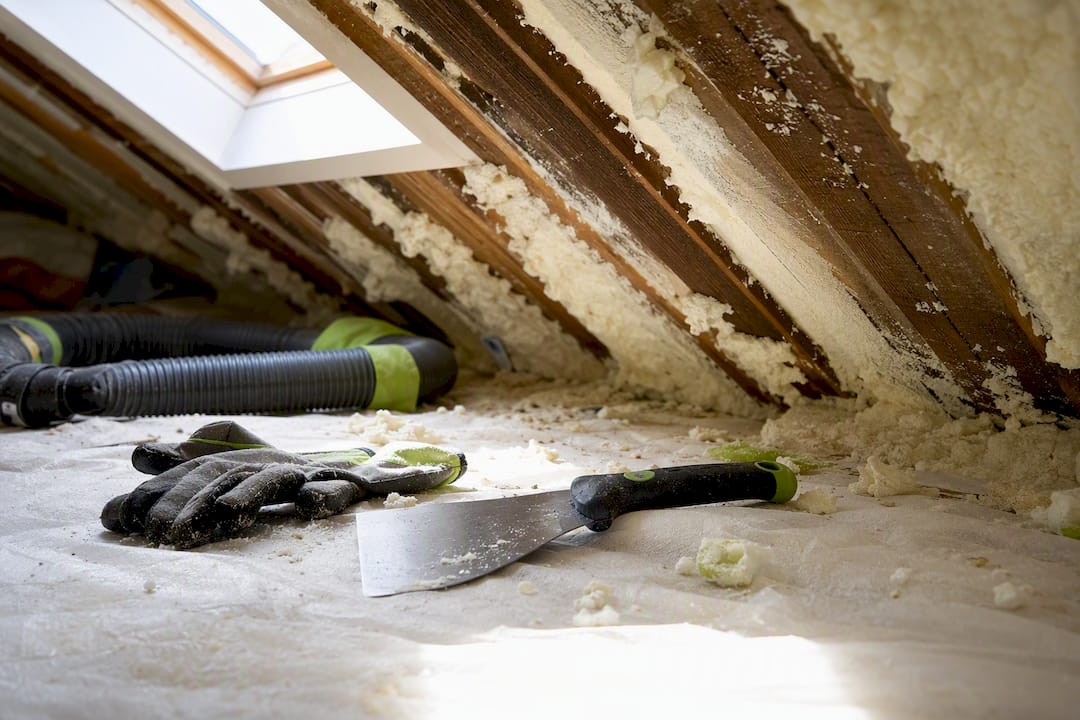
Before any cutting starts, a competent team isolates the work area, covers exposed electrics, and protects ceilings and finishes below. Roof access sometimes means scaffolding, particularly on older or steeper roofs, and ventilation matters throughout since disturbed foam dust needs somewhere to go other than your lungs.
Safety isn't optional here:
- Full respiratory protection and appropriate PPE for anyone doing the cutting.
- Dust extraction running continuously, not just at the end.
- Careful sequencing to avoid damaging tiles, wiring runs, or timber during extraction.
Waste handling has a legal dimension too. Removed foam is classed as construction waste and needs a proper waste transfer note confirming it went to a licensed disposal site, not into a skip with no record at all.
The typical sequence runs: survey, containment of the work area, mechanical removal, timber inspection once the foam is clear, then any repairs the timber inspection reveals are needed.
Pro Tip: Ask upfront whether the quote includes the post-removal timber inspection. Some contractors treat it as an add-on, and that's exactly where surprise costs creep in.
How much does spray foam removal cost in the UK?
Costs vary more than most people expect, mostly because "removal" can mean very different jobs depending on what's underneath the foam.
The Commons Library cites a UK range of roughly £3,200 to £15,000 per property. Real-world accounts back that up. One widely reported case involved a homeowner who'd paid around £10,000 for the original installation, only to face a further £7,000 quote to remove it years later. That kind of gap between installation cost and removal cost catches a lot of people off guard.
Several factors drive the price:
- Foam type. Closed-cell foam is denser and generally slower and costlier to remove than open-cell foam.
- Area covered. A full roof costs considerably more than a partial application over one section.
- Roof complexity. Awkward loft shapes, low headroom, and multiple hips or valleys all add labour time.
- Access. Terraced houses with limited scaffolding options often push costs upward.
- Repairs uncovered. Rotten timber or damaged tiles found during removal usually adds to the original quote.
| Job size | Estimated price band | Common extras |
|---|---|---|
| Partial loft (single section) | £3,200 to £15,000 | Timber spot-repairs |
| Full standard loft | £3,200 to £15,000 | Ventilation upgrades, tile replacement |
| Full loft with structural repairs | £10,000 to £15,000 | Joist remediation, re-boarding |
A proper quote should itemise labour, access costs, licensed disposal, the timber inspection, and the paperwork you'll get at the end. Structural repair and tile replacement are the two items most likely to sit outside the initial figure.
Pro Tip: Always ask for an itemised written quotation and confirmation of an insurance-backed warranty before signing anything. A one-line total with no breakdown is a red flag, not a bargain.
Should you attempt DIY spray foam removal?
Small, fresh spills, the kind that happen mid-installation before the foam cures properly, can sometimes be cleaned up by a competent DIYer. Fully cured foam bonded to roof timbers is a different job entirely, and it's not one most homeowners should attempt themselves.
The risks stack up quickly:
- Tile and joist damage from inexperienced cutting or scraping.
- Disturbed electrics, particularly where cabling runs through or near the foam.
- Inhalation hazards from airborne dust and particulates during removal.
- Improper disposal, which can leave you liable if the waste isn't handled through a licensed route.
Both RICS and the IMA are consistent on this point: independent, professional assessment and removal is the recommended path, and DIY attempts are generally discouraged for anything beyond minor, uncured spillage.
If you do tackle a small fresh spill yourself, wear gloves and eye protection at minimum, and stop immediately if the job starts looking bigger than expected. That's the moment to call a specialist, not push on.
How do you choose a spray foam removal specialist?
Picking the right contractor matters more here than in most home improvement jobs, largely because the paperwork you receive afterwards is what convinces a lender or buyer that the problem is genuinely resolved.
Check for these credentials before you sign anything:
- Involvement with the PCA or evidence of RICS-aware survey reporting.
- An insurance-backed guarantee on the completed work.
- TrustMark registration, where relevant to the trade.
- PCA-certified technicians actually carrying out the physical removal.
Then put the contractor through a short interrogation:
- What method will they use, and how will they protect timbers and finishes?
- Will they provide a waste transfer note as standard, not on request?
- Can they offer sample references or previous job photos?
- What's the realistic timeline, and is the quote fixed or subject to change?
Watch for red flags: unsolicited cold calls, pressure to sign on the spot, suspiciously low prices with no itemised breakdown, or any reluctance to commit to a waste transfer note in writing.
Pro Tip: Ask two or three companies for a fixed-price quote with identical scope, then compare not just the number but what each one includes. The cheapest quote is often the one missing the most paperwork.
What should you receive once removal is complete?
A completed job should leave you with a stack of evidence, not just a clear loft. That paperwork is what does the real work with lenders and future buyers.
Expect to receive:
- A formal removal certificate confirming the work was completed.
- A timber condition inspection report covering what was found once the foam came away.
- A waste transfer note proving the material went to licensed disposal.
- A photographic record of the roof space before and after.
- Surveyors use these documents to confirm the foam-related risk no longer applies to the property.
- Lenders may request additional evidence, such as timber treatment records or confirmation of any structural repairs, particularly where remediation was needed.
- Keep everything together in one file. It's the first thing a solicitor or surveyor will ask for during a sale.
How Revive Maintenance approaches spray foam removal
Sprayfoamremovalhelp works with Revive Maintenance, whose PCA-certified technicians handle both open and closed cell removal to mortgage-compliant standards. There's no subcontracting chain here: the people who survey your loft are the same people doing the physical removal, which keeps pricing transparent and accountability clear.
The process runs in a straightforward sequence: a free inspection, a PCA/RICS-aware survey, a fixed quote with no hidden extras, contained removal work, a post-removal timber inspection, then your certificate and waste transfer note.
- Over 1,000 homeowners served across London and the South East.
- A 10-year insurance-backed warranty on completed work.
- Direct communication with the technicians doing the job, not a call centre.
Pro Tip: If a lender has already flagged your property, get the free inspection booked before your mortgage offer expires. Timing matters more than most people realise during a live sale.
Author's perspective: when removal is the right call
My honest view: don't remove foam on principle alone. Get the inspection, gather the paperwork, and let a proper report decide the question. Remove it when a surveyor or lender genuinely insists, or when timber risk is confirmed. That's where the real cost, both financial and structural, actually lies.
If you need removal, here's how to get started
If your survey or lender has already confirmed removal is the right path, the next step is getting a specialist who can deliver both the physical work and the paperwork a lender will accept. Revive Maintenance is Sprayfoamremovalhelp's certified partner for exactly that: PCA-certified technicians, fixed transparent pricing with no middlemen taking a cut, and a 10-year insurance-backed warranty on every completed job.
The service covers free inspections, mortgage-compliant certification, and emergency same-day removal for anyone under time pressure from a live sale. There's no cold-calling involved. You contact them, not the other way round, and every quote is itemised before work begins.
If you're ready to find out where you stand, book a free inspection or request an instant estimate to see realistic pricing for your property before committing to anything.
Sources
- Spray foam insulation and mortgages - House of Commons Library
- Spray foam insulation - RICS consumer guide
- Spray foam insulation removal scam warning - National Trading Standards
- IMA statement re spray foam
FAQ
Can spray foam be removed easily?
Removal is physically achievable but rarely easy. It requires mechanical cutting or scraping and extraction equipment, and cured foam bonded to timber takes considerably longer to clear than fresh, uncured material.
Does WD-40 remove cured expanding foam?
No. WD-40 and similar solvents have no meaningful effect on fully cured spray foam. Removal requires mechanical methods carried out by trained technicians, not household products.
How much does it cost to have spray foam removed from a loft?
UK costs typically range from around £3,200 to £15,000, depending on foam type, the area covered, and whether timber repairs are needed afterwards.
Why are people removing spray foam insulation?
Most removals are driven by mortgage lenders declining to lend, surveyors flagging inaccessible timbers, or homeowners preparing to sell who want the issue resolved before it affects negotiations.