TL;DR:
- An independent, PCA-compliant inspection is essential for homeowners facing mortgage issues caused by spray foam on flat roofs.
- This inspection reveals timber condition, guiding whether removal is necessary to satisfy lenders and surveyors.
- Proper remediation and documentation can restore mortgage eligibility and avoid unwarranted property restrictions.
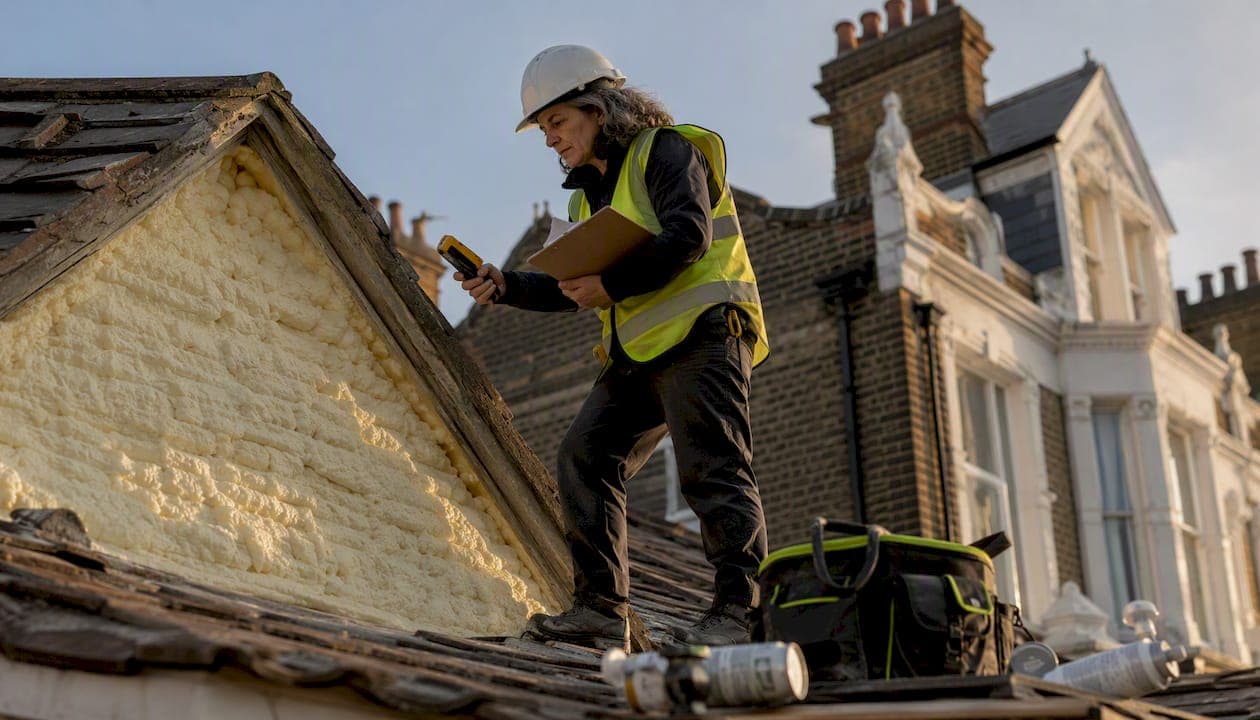
If spray foam on your flat roof is blocking a sale or remortgage, the immediate next step is an independent, PCA-compliant inspection. That single action produces the report lenders need to move forward. Removal only follows when the inspection confirms timbers are concealed or compromised, or when your lender explicitly requires it.
Here is what to expect from the process:
- Inspection and report: a PCA-aware specialist visits, checks timber condition, takes moisture readings and photographs, and issues a written report within a few days.
- Likely outcomes: no further work needed (report satisfies lender), partial targeted removal plus invasive inspection, or full foam removal followed by a post-remediation certificate.
- Typical timeframe: inspection to report in 3–5 working days; full removal and final certification in 1–3 weeks depending on roof size and timber condition.
Book a free inspection with Revive Maintenance today, or call for same-day emergency removal across London and the South-East.
Table of Contents
- What does "flat roof spray foam" mean in this guide?
- Why does spray foam on flat roofs cause lender and surveyor problems?
- Who should book an inspection or removal right now?
- What does an independent PCA-certified inspection involve?
- How does the removal and remediation process work?
- What do removal and remediation typically cost in London and the South-East?
- How does remediation restore mortgage eligibility?
- How do you choose the right removal specialist?
- How Revive Maintenance handles inspection, removal and lender certification
- Key takeaways
- What the industry gets wrong about spray foam removal
- Revive Maintenance: free inspection and emergency removal
- Useful sources
- FAQ
What does "flat roof spray foam" mean in this guide?
This guide covers one thing: PCA-certified inspection and professional removal of spray foam insulation (Spray Polyurethane Foam, or SPF) from flat roofs, specifically where that foam is causing mortgage, sale, or remortgage problems. It covers both open-cell and closed-cell foam types.
It does not cover product specifications, DIY installation, or how to apply foam. If you are a homeowner, estate agent, or landlord in London or the South-East trying to resolve a lender or surveyor issue, you are in the right place. If you are looking for installation guidance, this is not the guide for you.
Pro Tip: Get an independent inspection before you agree to any removal. An inspector who has no financial interest in the removal outcome will give you an honest assessment. In some cases, a well-documented inspection report is all a lender needs, and you avoid the cost of removal entirely.
Why does spray foam on flat roofs cause lender and surveyor problems?
The core issue is not the foam itself. According to RICS guidance, the problem is concealment: when spray foam covers roof timbers, surveyors cannot confirm their structural condition. Lenders rely on surveyors to confirm a property is sound security for a loan. When that confirmation is impossible, many lenders simply decline.
The practical consequences for property owners include:
- Outright refusal: many mainstream lenders will not lend at all when spray foam is present and timbers are not visible.
- Down-valuation: some lenders reduce the assessed value to reflect the uncertainty.
- Specialist lender referral: a smaller pool of lenders may consider the application, but typically at higher rates and with additional conditions.
- Equity release blocked: most equity release providers will not proceed with spray foam present.
BBC reporting confirmed that a significant proportion of major UK lenders decline or restrict lending when spray foam is present. Spray foam does not automatically make a property unmortgageable, but it substantially narrows your options and often triggers the need for specialist reports or removal.
The PCA inspection protocol exists precisely to address this: an independent assessment that makes timbers visible and documents their condition gives lenders the evidence they need to reconsider.
Who should book an inspection or removal right now?
You need to act promptly if any of the following apply to your property:
- A lender or valuer has flagged spray foam during a sale or remortgage application.
- Your buyer's surveyor has refused to sign off on the roof structure.
- You are pursuing equity release and have been declined.
- You can see visible damp, condensation, or staining near the roof line.
- The original installation paperwork, BBA certificates, or manufacturer warranties are missing.
- You have an exchange or remortgage deadline within weeks.
Missing documentation is a particular trigger. Parliamentary guidance recommends keeping all installation paperwork because it can sometimes satisfy a valuer without requiring removal. If that paperwork is gone, an independent inspection becomes the only credible route. For properties with imminent deadlines, emergency same-day removal is available across London and the South-East.
What does an independent PCA-certified inspection involve?
Lenders accept independent inspections conducted under PCA protocol that make timbers visible or confirm they were unimpaired. The key word is independent: the PCA emphasises that inspectors must be commercially separate from the original installer to avoid conflicts of interest and to give lenders confidence in the findings.
A thorough inspection typically includes:
- Visual assessment of the foam coverage and condition.
- Targeted invasive checks where foam is removed in sample areas to expose timbers.
- Moisture readings taken at multiple points.
- Photographic record of every stage.
- Written report stating timber condition, moisture data, and remediation recommendations.
The report itself is what lenders and brokers need. It should clearly state whether timbers are sound, include dated photographs, reference the inspection protocol used, and set out any recommended next steps. A report produced by the same contractor who installed the foam carries far less weight with lenders than one from an independent specialist.
How does the removal and remediation process work?
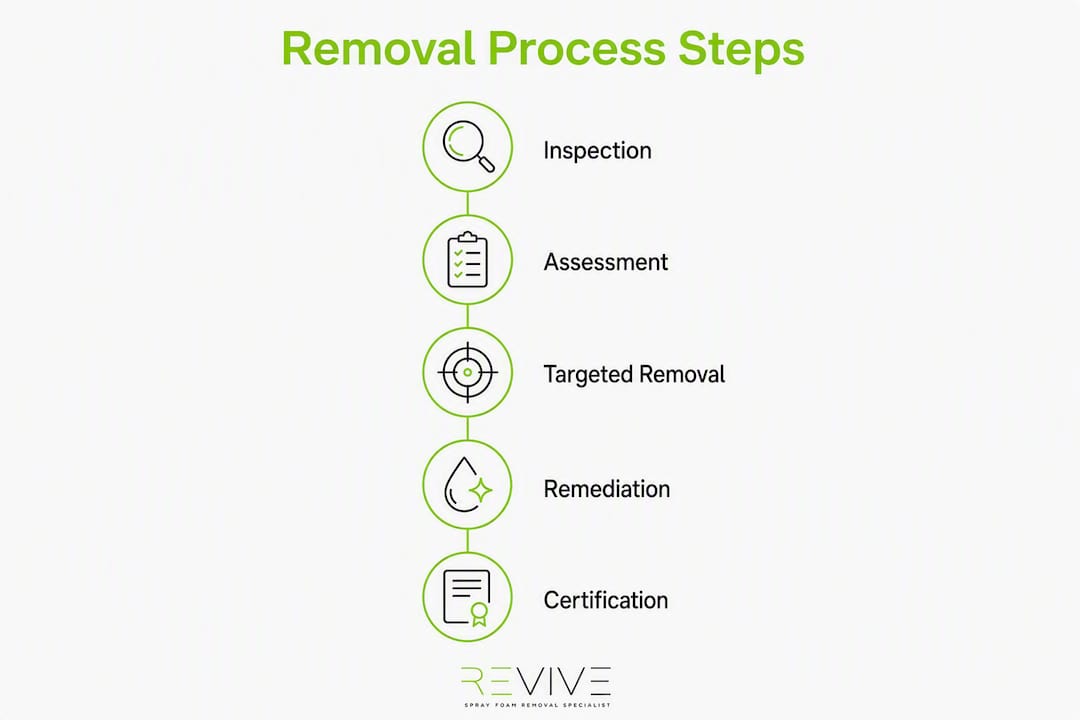
Removal is a staged process. It begins with an independent inspection and ends with a post-remediation lender report. Here is the typical sequence:
- Pre-inspection and paperwork check. Review any existing installation certificates, warranties, or BBA documentation before the site visit.
- Independent inspection. Targeted invasive checks, moisture readings, and photographic record as described above.
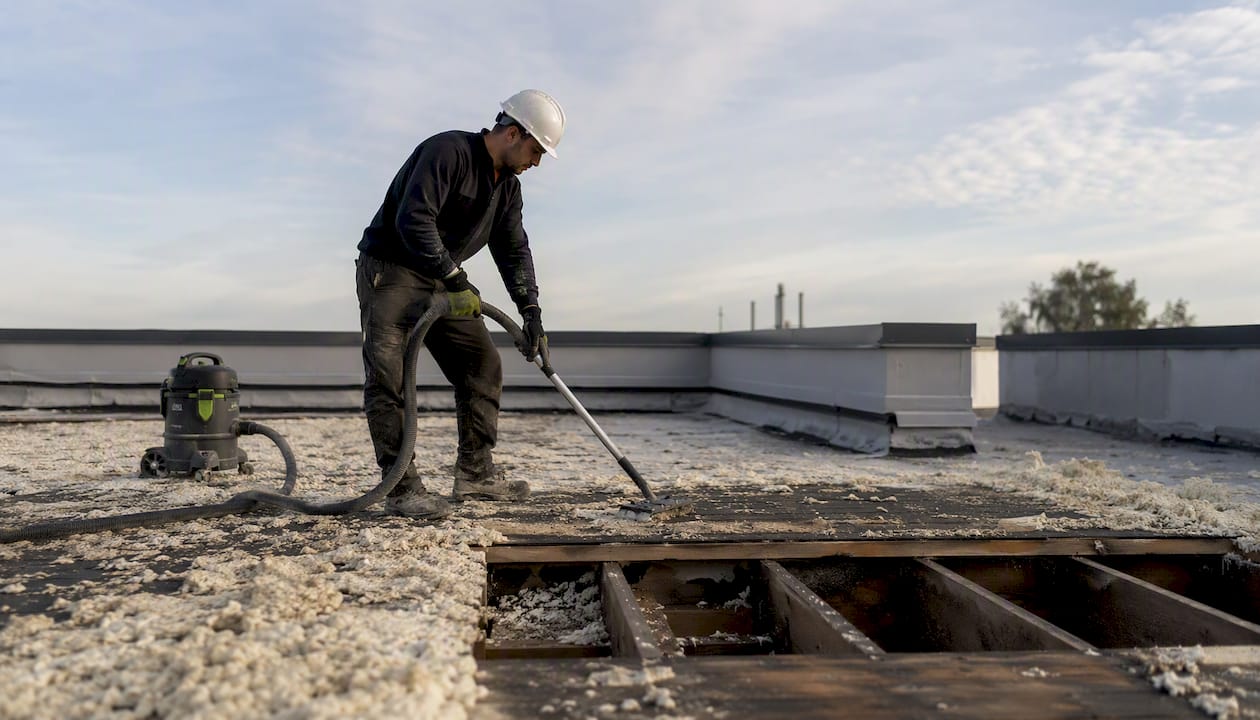
- Targeted or full foam removal. Open-cell foam is generally more straightforward to remove; closed-cell bonds more tightly and can trap moisture, making it more complex and time-consuming.
- Timber drying and repair. Any moisture-affected timbers are dried and repaired or replaced as needed.
- Re-insulation where required. Superfoil insulation or an equivalent product can be installed to restore the roof's thermal performance.
- Final PCA-compliant report. An independent post-remediation certificate confirming timber condition, with photographs and moisture readings, is issued for submission to lenders.
Safe handling and waste disposal are part of every job. Spray foam waste is classified and must be removed by a registered waste carrier. Site protection is put in place before work begins to prevent contamination of the property.
Pro Tip: In some cases, a partial targeted removal combined with an invasive inspection is enough to satisfy a lender, without stripping the entire roof. This depends on the lender's specific requirements and the foam type. Ask your specialist to confirm with your broker before committing to full removal.
What do removal and remediation typically cost in London and the South-East?
Expect a wide cost band. Closed-cell foam is more expensive to remediate than open-cell because it bonds more tightly to timbers and can trap moisture, requiring more labour and care. Roof size, access difficulty, scaffolding requirements, and the extent of timber repairs all affect the final figure.
| Property type | Foam type | Estimated removal range | Notes |
|---|---|---|---|
| Small flat roof | Open-cell | — | Straightforward access, no scaffold |
| Mid-terrace with flat roof extension | Open-cell | — | Depends on access and timber condition |
| Three-bed semi, flat roof section | Closed-cell | — | Higher complexity, possible timber repairs |
| Larger flat roof | Closed-cell | — | Scaffold likely, waste disposal costs increase |
These are indicative ranges for London and the South-East. Get a written quote from a specialist before committing. See current removal costs for up-to-date guidance.
Timeline: inspection to report typically takes 3–5 working days. Full removal and final certification usually runs 1–3 weeks. Timber repairs, scaffold erection, or adverse weather can extend this.
There is no government funding available to cover removal costs. The Commons Library briefing advises homeowners to pursue remediation via installer warranties, insurance-backed guarantees, or TrustMark escalation where the original installation was defective.
How does remediation restore mortgage eligibility?
Once remediation is complete, lenders typically require an independent, PCA-protocol report confirming timbers are visible and free from moisture damage, or a full remediation certificate alongside a post-remediation structural confirmation. Properties that go through professional remediation can usually return to standard lending criteria.
The lender submission checklist should include:
- Independent inspection report with dated photographs.
- Moisture readings taken before and after removal.
- Repair invoices for any timber work carried out.
- 10-year insurance-backed warranty from the removal specialist.
- Post-remediation certificate confirming current timber condition.
Estate agents and solicitors should request this full pack from the removal specialist before exchange. RICS frames the problem as concealment rather than a demonstrated timber failure, so a report that makes timbers visible and documents their condition directly addresses the lender's concern. Independence in that evidence is what makes it credible.
How do you choose the right removal specialist?
Choose a provider who offers independent inspection and lender-facing post-remediation reporting. Ask every potential specialist these questions before you agree to anything:
- Are you PCA-accredited or do you work to PCA inspection protocol?
- Can you provide a sample post-remediation report?
- Do you carry 10-year insurance-backed warranty cover?
- Are you registered as a waste carrier?
- What public liability and professional indemnity insurance do you hold?
- Can you provide examples of cases where your report satisfied a lender?
Red flags to watch for:
- The same contractor offers to inspect, remove, and certify their own work without independent oversight.
- No sample report is available on request.
- A very low quote with no written warranty.
- Vague answers about waste disposal or insurance.
A direct specialist team with in-house PCA-trained technicians, clear documentation, and a written warranty is the benchmark to hold every provider to.
How Revive Maintenance handles inspection, removal and lender certification
Revive Maintenance offers PCA-aware inspections, PCA-certified removal teams, and post-remediation lender reports across London and the South-East. You deal directly with the team doing the work, with no middlemen and no hidden fees.
Services include:
- Free inspection booking and initial roof paperwork review.
- Emergency same-day removal for urgent cases.
- Full removal for both closed-cell and open-cell foam.
- Timber drying, repair, and Superfoil re-insulation where required.
- Completion reports and post-remediation certificates formatted for lender submission.
Every job comes with a 10-year insurance-backed warranty. Revive Maintenance has completed work for over 1,000 homeowners across the region, with a track record of delivering the documentation brokers and lenders accept. Book a certification inspection or a free initial assessment to get started.
Key takeaways
Flat roof spray foam problems are resolved by independent PCA-compliant inspection first, followed by removal and post-remediation certification only where the inspection or lender requires it.
| Point | Details |
|---|---|
| Inspection before removal | An independent PCA-protocol inspection is the first step and may be all a lender needs. |
| Concealment is the lender's concern | RICS guidance confirms lenders respond to hidden timbers, not always to proven timber failure. |
| Closed-cell costs more | Closed-cell foam bonds more tightly and is more complex to remove than open-cell foam. |
| Full documentation pack matters | Lenders need an independent report, photos, moisture readings, repair invoices, and a 10-year warranty. |
| Sprayfoamremovalhelp | Revive Maintenance provides PCA-certified inspection, removal, and lender-facing reports across London and the South-East. |
What the industry gets wrong about spray foam removal
Most of the noise around spray foam focuses on whether removal is necessary at all. That debate misses the real issue. The question lenders are actually asking is not "has the foam caused damage?" It is "can we see the timbers?" Those are two very different questions, and conflating them leads homeowners to either panic unnecessarily or underestimate the problem.
The financially sensible route is almost always to get an independent inspection first. Some homeowners skip straight to removal quotes because they assume that is what the lender wants. In practice, a well-evidenced inspection report that makes timbers visible can satisfy many lenders without a single piece of foam being removed. Conversely, some homeowners accept higher specialist lender rates rather than pay for removal, not realising that over a typical mortgage term the interest premium can exceed the cost of remediation.
The paperwork is the product. A removal job that does not end with a lender-ready post-remediation report is an incomplete job. That is the standard Revive Maintenance holds every case to.
Revive Maintenance: free inspection and emergency removal
When spray foam is holding up a sale or remortgage, speed and the right paperwork are what matter. Revive Maintenance offers a free initial inspection across London and the South-East, with a full roof paperwork review included at no cost. If your situation is urgent, same-day emergency removal is available for properties with imminent exchange or remortgage deadlines.

Every job is handled by in-house PCA-trained technicians, with transparent pricing, no hidden fees, and a 10-year insurance-backed warranty on all removal work. You get a post-remediation report formatted for direct submission to your lender or broker. Over 1,000 homeowners across the region have used Revive Maintenance to resolve exactly this problem.
Book your free inspection online now, or visit the full removal guide to understand every stage of the process before you call.
Useful sources
The claims in this guide draw on the following authoritative sources. Estate agents and solicitors can use these to verify the guidance independently.
- RICS consumer guide: spray foam insulation — the primary reference for how surveyors and lenders treat concealment; use this to understand why visibility of timbers is the decisive factor.
- Commons Library briefing: spray foam insulation and mortgages — Parliamentary research covering lender behaviour, government funding position, and escalation routes via TrustMark.
- Commons Library briefing: PCA inspection independence — explains why the PCA requires inspectors to be commercially separate from installers.
- BBC: major lenders reject homes with spray foam insulation — consumer-facing evidence of how mainstream lenders respond to spray foam.
- MHCLG modelling assessment: spray foam on timber roofs — government-commissioned technical modelling of moisture and timber degradation risk.
FAQ
Does spray foam automatically make a flat roof property unmortgageable?
No. Spray foam restricts lender choice and often requires specialist reports, but professional remediation followed by an independent post-remediation report can restore standard lending criteria in most cases.
What is the difference between open-cell and closed-cell foam removal?
Closed-cell foam bonds more tightly to timbers and can trap moisture, making it more complex and expensive to remove than open-cell foam. Removal costs for closed-cell work typically run higher as a result.
How long does the full removal and certification process take?
Inspection to report typically takes 3–5 working days. Full removal and final certification usually takes 1–3 weeks, depending on roof size, foam type, and whether timber repairs are needed.
What documents do I need to give my lender after removal?
Your lender will typically need an independent inspection report with dated photographs, moisture readings, repair invoices, and a 10-year insurance-backed warranty. Revive Maintenance provides completion reports formatted for direct lender submission.
Why does the inspector need to be independent from the installer?
The PCA requires inspectors to be commercially separate from the original installer to avoid conflicts of interest. Lenders place significantly more weight on a report from an independent specialist than on one produced by the contractor who installed the foam.