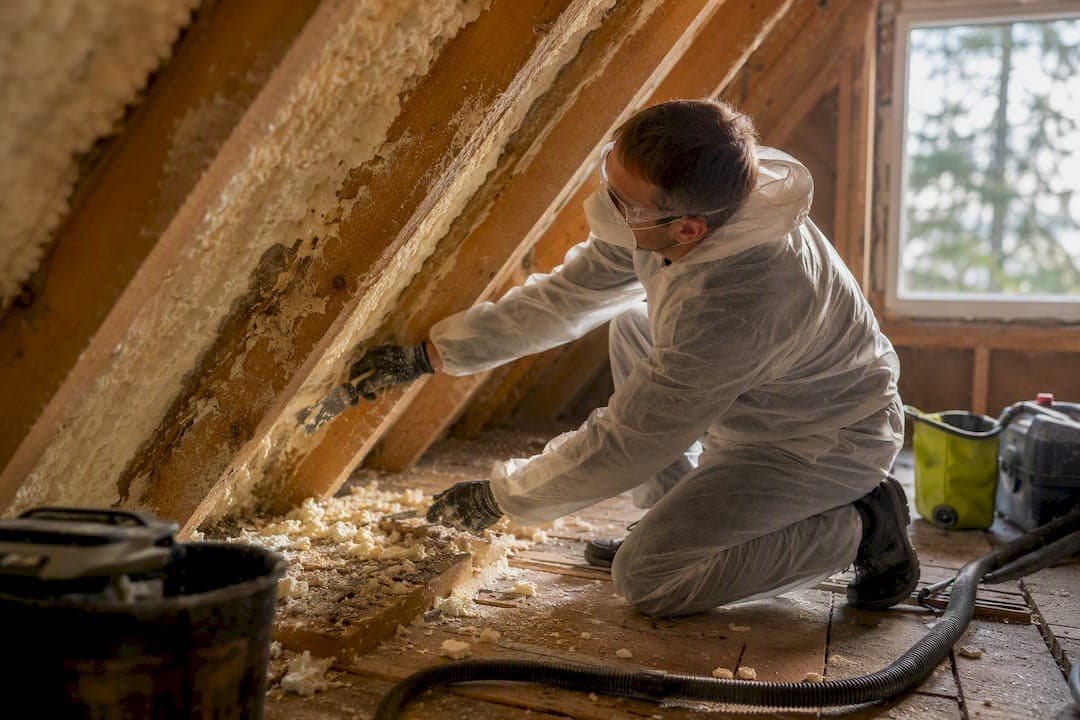
Yes, but not automatically. Roughly a quarter of major UK mortgage providers refuse to lend on homes with spray foam in the roof, while most others will assess your case individually if you bring the right evidence. Your chances hinge on what you can prove, not just what's in your loft.
Two things to do this week:
- Check your target lender's current policy on spray foam before you apply, ideally through a broker who deals with this daily.
- Gather your installation paperwork or commission an independent specialist inspection if you have none.
Lenders respond best to a RICS surveyor's sign-off, BBA or Kiwa product certificates, and a specialist report that isn't written by the installer who fitted the foam. Walking into a remortgage without those documents is the single biggest reason applications stall.
Key Takeaways
Successfully remortgaging a spray foam property depends on independent RICS-aligned evidence, not installer paperwork, gathered well ahead of your application deadline.
| Point | Details |
|---|---|
| Lender policies vary widely | Some major providers refuse outright; others assess case-by-case with the right evidence. |
| Independent evidence beats installer certificates | RICS surveyors and PCA-competent specialists carry far more weight with underwriters than self-certification. |
| Removal isn't always required | Correctly installed foam with dry timber may only need remediation, per government technical guidance. |
| Start early | Booking inspections months before your mortgage deadline reduces cost, stress and rushed decisions. |
| Sprayfoamremovalhelp offers a full pathway | Free inspection, mechanical removal and RICS-aligned certification with a 10-year insurance-backed warranty. |
Table of Contents
- Why lenders are cautious about remortgage with spray foam
- What paperwork do lenders actually want to see?
- What if your remortgage application gets refused?
- How does professional removal and certification work?
- What does inspection and removal typically cost?
- Preparing your evidence file: a step-by-step checklist
- What I've learned watching homeowners navigate this
- How we help you get remortgage-ready
- Sources
- FAQ
Why lenders are cautious about remortgage with spray foam
Spray foam bonds directly to the underside of your roof timbers. That's precisely the problem for surveyors: it can trap moisture against the wood, hide early signs of decay, and make it physically impossible to inspect the roof structure the way a valuer normally would. A leak that would show up as a damp patch on an untreated roof can sit unseen behind foam for years.
Lender responses to this vary sharply. Some providers have adopted a blanket refusal policy, and equity-release lenders surveyed by the BBC were among the most cautious. Others take a case-by-case view and will lend once they've seen satisfactory evidence. A Commons Library briefing confirms this split is real and ongoing, not a temporary blip in the market.
What tips the decision either way is usually the surveyor's opinion, not a rigid lender rulebook. Two identical foam-insulated roofs can produce two different outcomes depending on:
- Whether the valuer can access and assess the roof void properly.
- Whether independent documentation already exists.
- Which type of foam was used (open cell tends to worry surveyors less than closed cell, which is harder to inspect around).
What paperwork do lenders actually want to see?
A lender-ready evidence file does more work than any phone call to your bank. Assemble these documents before you apply, not after a valuer flags a problem:
- The original installer contract and product specification.
- BBA or Kiwa product test certificates, confirming the foam met recognised UK standards when installed.
- Before and after photographs of the roof void, ideally time-stamped.
- Moisture readings taken at the timber, not just surface-level checks.
- Ventilation records showing the roof space still breathes as designed.
- Any warranty or insurance-backed guarantee tied to the installation.
Here's the catch most homeowners miss: an installer's own self-certificate rarely satisfies a lender, because the installer has a financial interest in declaring their own work sound. RICS guidance is explicit that independent, third-party evidence carries far more weight than anything the original fitting company produces.
A proper lender-ready report typically includes thermal imaging of the roof void, precise moisture percentage figures rather than vague "damp/dry" descriptions, and written structural commentary from the surveyor confirming the timber's condition.
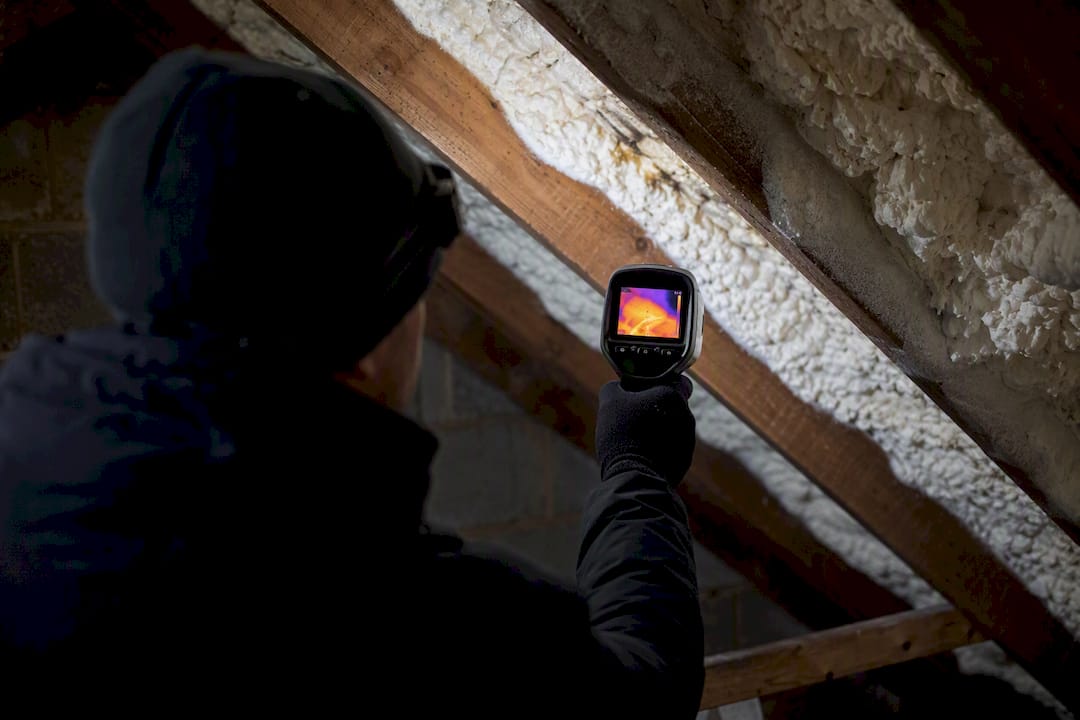
Pro Tip: Photograph your loft insulation from multiple angles before booking any inspection. Specialists can move panels or check for surface damage that a rushed viewing might miss, and your own photos become useful supporting evidence later.
What if your remortgage application gets refused?
A refusal from one lender isn't the end of the road. It usually means you're missing evidence that lender needed, not that no lender will ever touch the property.
Approach other lenders with a stronger evidence pack. Brokers who work regularly with spray foam cases will know which providers currently take a case-by-case approach rather than a blanket refusal. Bring your BBA/Kiwa certificates and any independent report before you apply again, not after a second rejection.
Commission an independent specialist or RICS-aligned inspection. This is often the single move that changes a valuer's mind. The Property Care Association's inspection protocol exists specifically to help surveyors distinguish roofs where foam hasn't materially increased decay risk from roofs where it has. A report built to that standard gives your next lender something concrete to act on rather than a vague concern.
Decide between remediation and full removal. These are genuinely different outcomes, and picking the wrong one wastes money.
- Remediation, such as improving ventilation or removing a problem patch, can be enough when moisture readings are within normal range and the timber shows no decay.
- Full removal becomes necessary when moisture is trapped, timber has started to degrade, or the foam type makes ongoing inspection impossible.
- Government's own technical guidance on foam applied to timber sloped roofs notes that correctly installed products don't automatically require removal, which is worth quoting back to an overly cautious valuer.
Pro Tip: Don't remove foam speculatively before you know what a lender actually needs. Get the independent inspection first. Sometimes remediation and a clean report are enough, and removal is a bigger job than the problem requires.
How does professional removal and certification work?
Mechanical or manual removal is the method most lenders and surveyors accept. Chemical strippers and DIY attempts are risky for the timber underneath and rarely satisfy anyone reviewing your file afterwards.
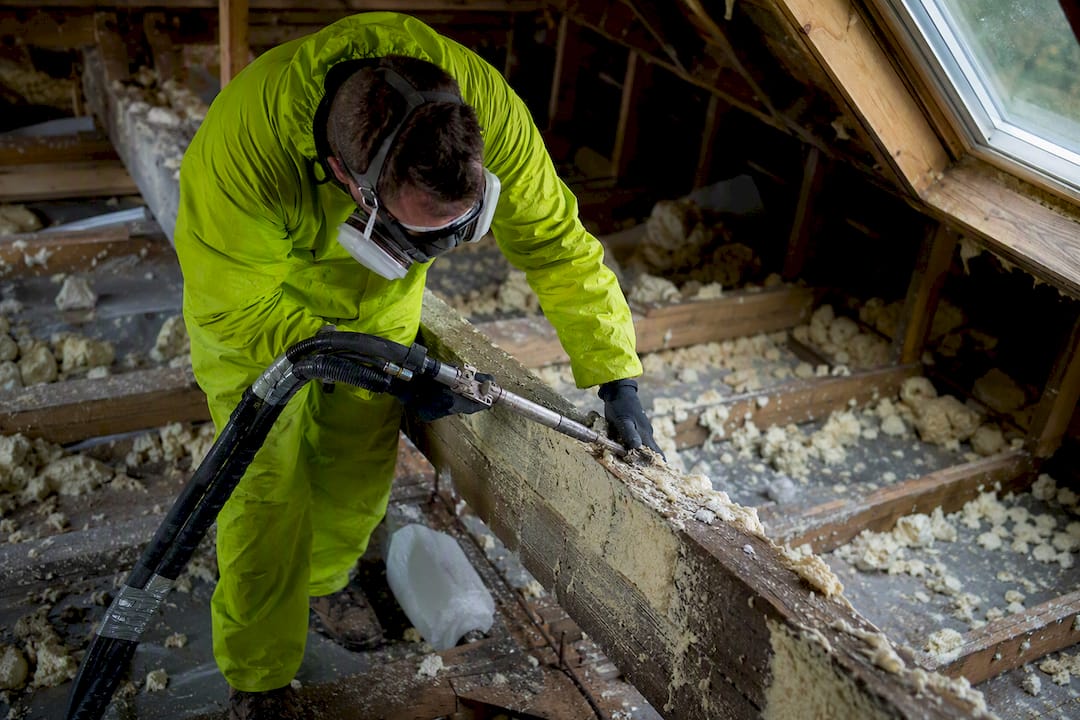
After removal, sign-off matters as much as the work itself. Lenders generally want confirmation from an independent RICS surveyor or an equivalent qualified third party, not just a statement from the company that did the removal.
A complete post-removal package includes:
- Before and after photographs of the roof void.
- Thermal imaging showing consistent temperature readings across the timber.
- Moisture readings confirming the wood has dried to an acceptable level.
- A written method statement describing exactly how removal was carried out.
- The independent certificate itself, separate from any contractor paperwork.
What does inspection and removal typically cost?
Costs vary with property size, roof access, and how much foam needs removing, but you can plan around rough ranges. A specialist inspection with a written report tends to sit at the lower end of the scale; full mechanical removal across a larger roof costs considerably more, and independent re-inspection and certification add a further fee on top.
Timelines follow a predictable sequence: initial inspection, then a written report, then removal work (if needed), then a re-inspection, then the final certificate. Each stage typically takes days to a couple of weeks depending on how busy specialists are in your area and how quickly you can book each step.
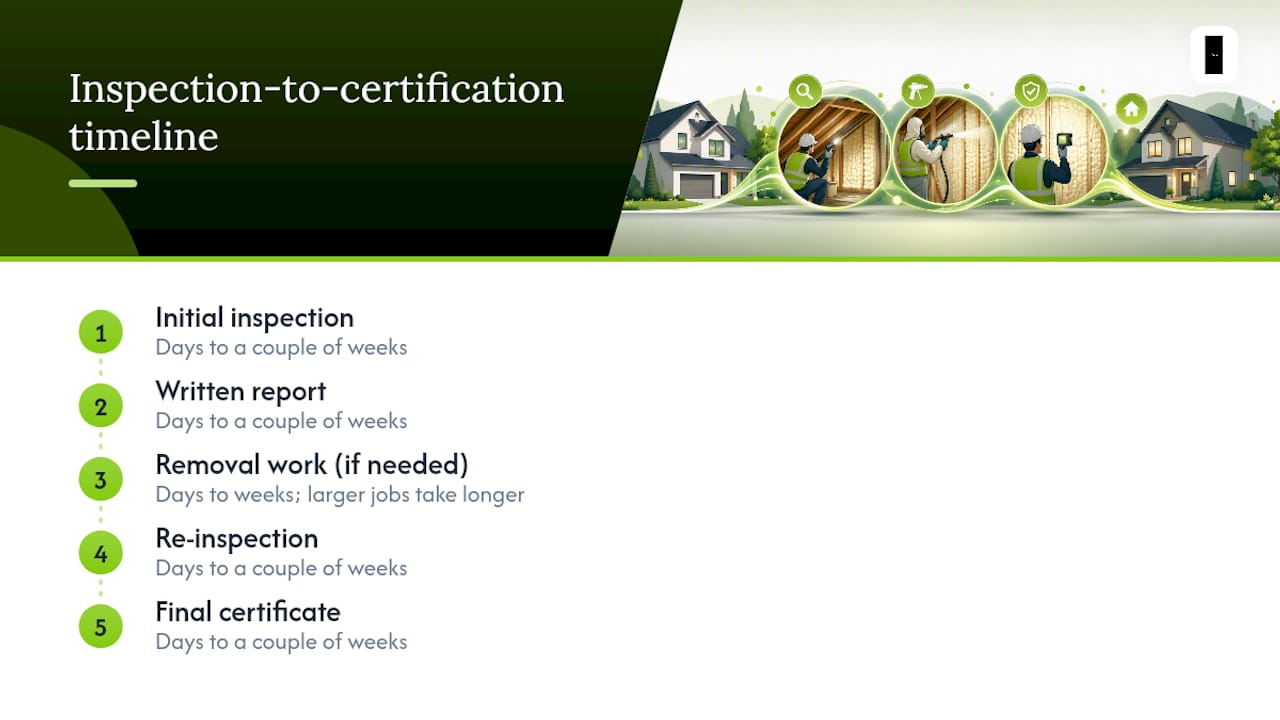
The homeowners who avoid stress are the ones who start early. Booking an inspection well before your mortgage deadline, rather than after a lender has already flagged a problem, tends to mean lower costs and far more choice over who does the work and when.
Preparing your evidence file: a step-by-step checklist
Work through these steps in order, ideally starting three to six months before your remortgage date:
- Check your current and prospective lenders' policies on spray foam, using a broker experienced with this issue if you can.
- Gather every existing document on the original installation, however incomplete it seems.
- Book a RICS-aligned or PCA-competent specialist inspection if your paperwork is thin or non-existent.
- Review the findings and decide, with your specialist, whether remediation or removal is the right call.
- Obtain independent sign-off once any remedial work is complete.
- Submit your full evidence pack with the remortgage application, not as a follow-up after a query.
When instructing professionals, ask each one direct questions: ask a RICS surveyor whether they've assessed spray foam roofs before and what their report will specifically confirm; ask a PCA-competent specialist which inspection protocol they follow; ask your installer's warranty provider whether the guarantee is transferable and insurance-backed.
Pro Tip: Ask your prospective lender's underwriting team, not just the call centre, exactly what evidence would satisfy them. A broker who understands lender-specific spray foam criteria can save you weeks of guesswork.
What I've learned watching homeowners navigate this
Working alongside PCA-certified technicians on removal jobs across London and the Southeast, backed by a 10-year insurance-backed warranty, one pattern repeats: homeowners who wait until a mortgage broker delivers bad news lose weeks they didn't need to lose.
The recurring mistake isn't the foam itself. It's assuming an installer's warranty will satisfy a lender. It rarely does. What consistently persuades underwriters is independent RICS sign-off paired with thorough, dated photographic evidence gathered before problems escalate. Plan early, and the odds tip firmly in your favour.
How we help you get remortgage-ready
If you're weighing up whether to chase a specialist report yourself or find someone who can inspect, remove and certify in one process, that's exactly where Sprayfoamremovalhelp fits. We offer a free inspection across London and the Southeast, so you get an honest assessment before committing to anything.

Our PCA-certified technicians handle mechanical removal directly, with no subcontracted middlemen and transparent pricing throughout. Every job comes with a 10-year insurance-backed warranty and RICS-aligned certification designed to meet exactly the evidence standard lenders ask for, the kind detailed in our Spray Foam Mortgage Guide. Over 1,000 homeowners have gone through this process with us already.
If your remortgage date is approaching, book a free inspection now, while you still have time to act on the results rather than scramble against a deadline.
Sources
- Lenders reject homes with spray foam insulation
- Spray foam insulation and mortgages - Commons Library
- Spray foam insulation — RICS consumer guide
- Professional surveyor guidance on sprayed foam insulation — Property Care Association
- Spray foam insulation applied to timber sloped roofs in dwellings — UK government technical note
FAQ
Can I get a mortgage with spray foam insulation in the UK?
Some lenders will, provided you supply independent evidence such as a RICS-aligned inspection and BBA or Kiwa certificates; others refuse outright regardless of documentation.
Is spray foam insulation illegal in the UK?
No, spray foam insulation is legal, and government technical guidance confirms correctly installed products don't necessarily need removal. The difficulty is lender caution, not legality.
Is spray foam insulation still available in the UK?
Yes, it remains a widely available insulation product, though some past installations under earlier energy schemes have caused the mortgage complications now being reported.
Can I sell my house if I have spray foam insulation?
Yes, but buyers using a mortgage face the same lender scrutiny you would, so preparing an independent inspection report and full documentation before listing avoids delays during their conveyancing.
What documents do I need before applying for a remortgage with spray foam?
You need the installation contract, BBA or Kiwa certificates, before and after photos, moisture readings, and ideally an independent RICS surveyor's report. Services like Sprayfoamremovalhelp's inspection and certification process can assemble this pack for you directly.