TL;DR:
- Many UK lenders refuse mortgages on properties with spray foam on roof timbers because it prevents inspection of timber health. Professional mechanical removal and independent certification are essential to restore mortgage eligibility and secure lender approval. The process involves careful removal, documentation, and adherence to safety regulations, managed by specialists like Sprayfoamremovalhelp.
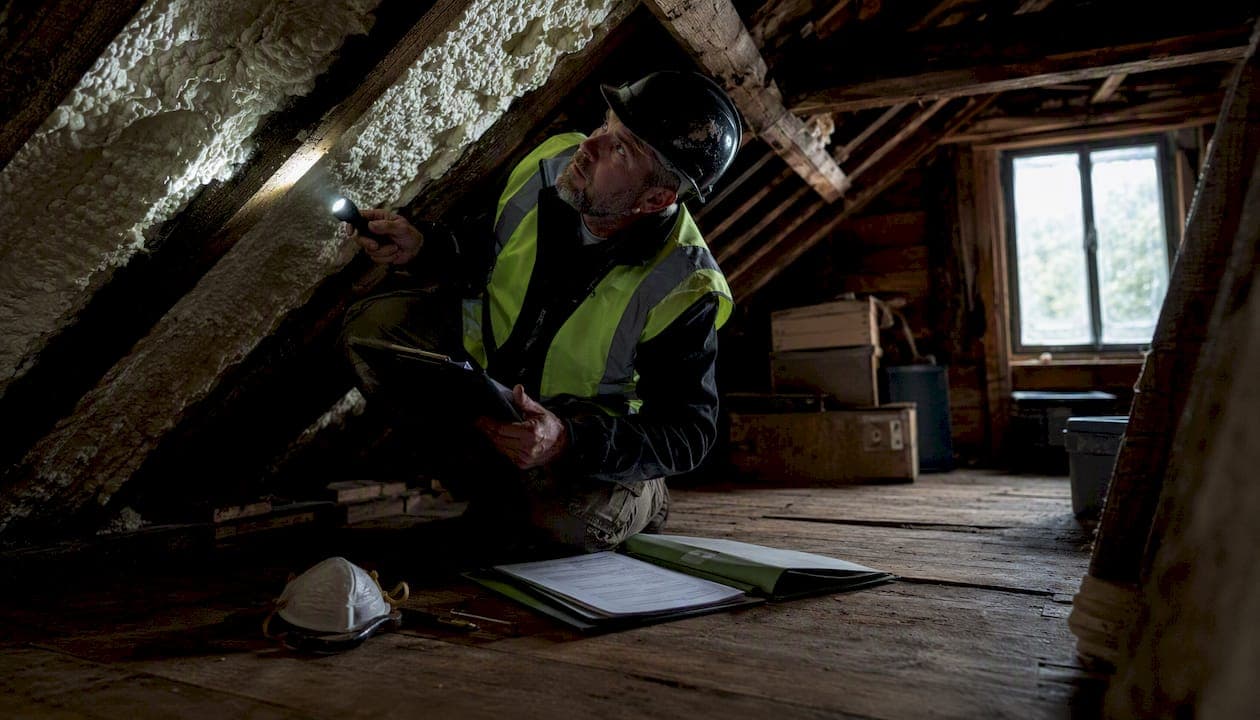
If your property has spray foam applied to roof timbers, many mainstream UK lenders will refuse a new mortgage or remortgage on it. RICS describes spray foam as a "significant and fundamental alteration" that prevents surveyors from inspecting timbers for rot and moisture damage. The practical result: buyers cannot get finance, sales collapse, and remortgages stall until the foam is professionally removed and independently certified.
Take these steps now:
- Book an independent inspection with a chartered surveyor or specialist removal company.
- Stop any DIY removal attempts immediately.
- Request a written method statement and a professional mechanical removal quote.
- Arrange an independent post-remediation survey from a party separate to your removal contractor.
- Gather any original installation paperwork before approaching a lender.
Pro Tip: Ask for an insurance-backed warranty and confirm that the post-remediation survey will be issued by an independent surveyor, not the removal firm itself. Lenders treat self-certified removals with scepticism.
Table of Contents
- What regulations apply beyond RICS guidance?
- What does the full removal timeline look like?
- What does spray foam removal actually cost?
- Mechanical vs chemical removal: which does lenders accept?
- How does spray foam removal affect your insurance?
- Sprayfoamremovalhelp: mortgage-compliant removal, certified
- Key takeaways
- Why the paperwork matters more than the removal itself
- Useful sources for lenders, surveyors and homeowners
- FAQ
What regulations apply beyond RICS guidance?
RICS sets the surveying standard, but spray foam removal sits within a broader compliance picture. Contractors must follow the Control of Substances Hazardous to Health (COSHH) Regulations 2002 when handling foam dust and debris. Waste disposal is governed by the Environmental Protection Act 1990, meaning foam waste must be classified, bagged, and removed by a licensed carrier. Electrical isolation before work begins is required under the IET Wiring Regulations (BS 7671). The Health and Safety at Work Act 1974 covers crew safety throughout.
National Trading Standards and sector bodies have repeatedly warned that vulnerable homeowners are targeted by cold-callers offering cheap or unregulated removal. Insist on written contracts, verifiable credentials, and an insurance-backed guarantee before any work starts.
What does the full removal timeline look like?
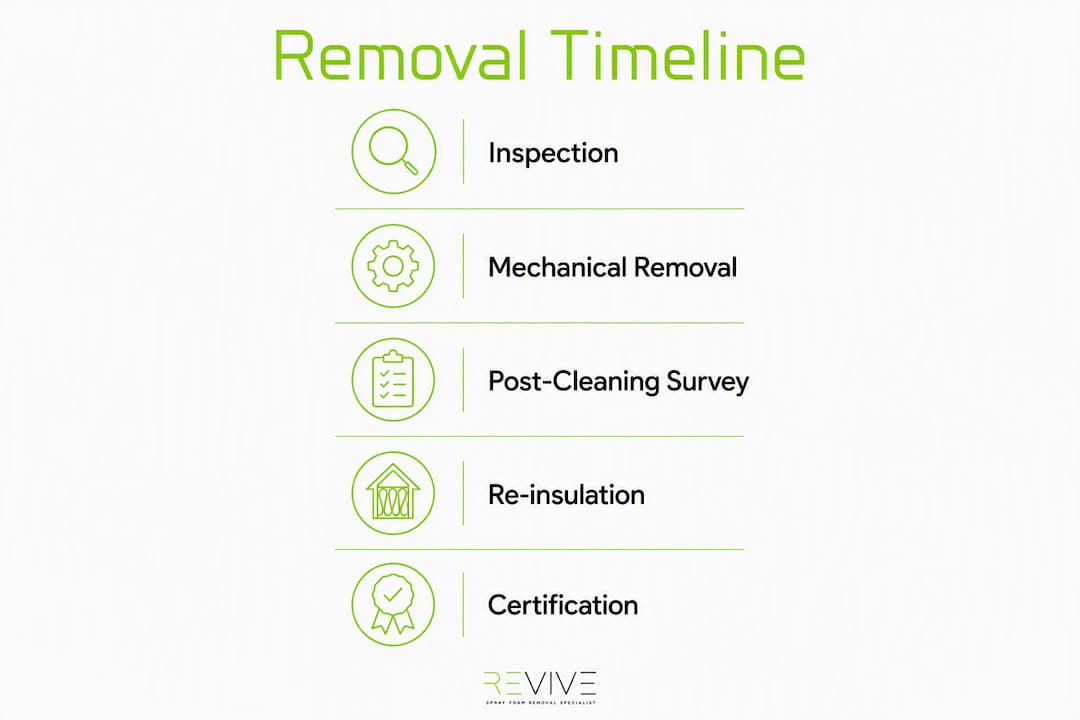
A standard 3-bed property in London or the South East typically moves through these phases:
- Booking and initial inspection (Days 1–3): site visit, foam type identified, method statement issued, quote agreed.
- Pre-work preparation (Day of works): electrics isolated, containment zones built, HEPA extraction units positioned.
- Mechanical removal (Days 1–3 of works): bulk cutting, careful scraping, and rafter-by-rafter wire-brushing until raw timber is visible.
- Timber cleaning and moisture check (final day of works): moisture readings taken, photographic record compiled.
- Independent post-remediation survey (within days of completion): a chartered surveyor or RICS-qualified professional issues the certificate lenders require.
- Re-insulation (optional, same week): Superfoil or alternative compliant insulation installed once timbers are cleared.
Professional removal of a typical UK three-bedroom home usually takes several working days, with the independent survey following shortly after completion.
What does spray foam removal actually cost?
Cost depends on three main factors: foam type, volume, and access. Closed-cell foam bonds harder to timber and takes longer to remove than open-cell foam, so it costs more. A loft with poor access or unusual roof geometry adds time and therefore cost. Sector cost guides indicate that removal for a standard semi-detached or terraced property runs into several thousand pounds, with larger or more complex jobs higher still. A site survey is the only reliable way to get an accurate figure.
Re-insulation with Superfoil or a comparable compliant product adds to the total but is often worth budgeting for in the same project to avoid a second mobilisation cost.
No government subsidy exists specifically for spray foam removal. Where the original installer provided an insurance-backed guarantee, pursue that route first before paying out of pocket.
Mechanical vs chemical removal: which does lenders accept?
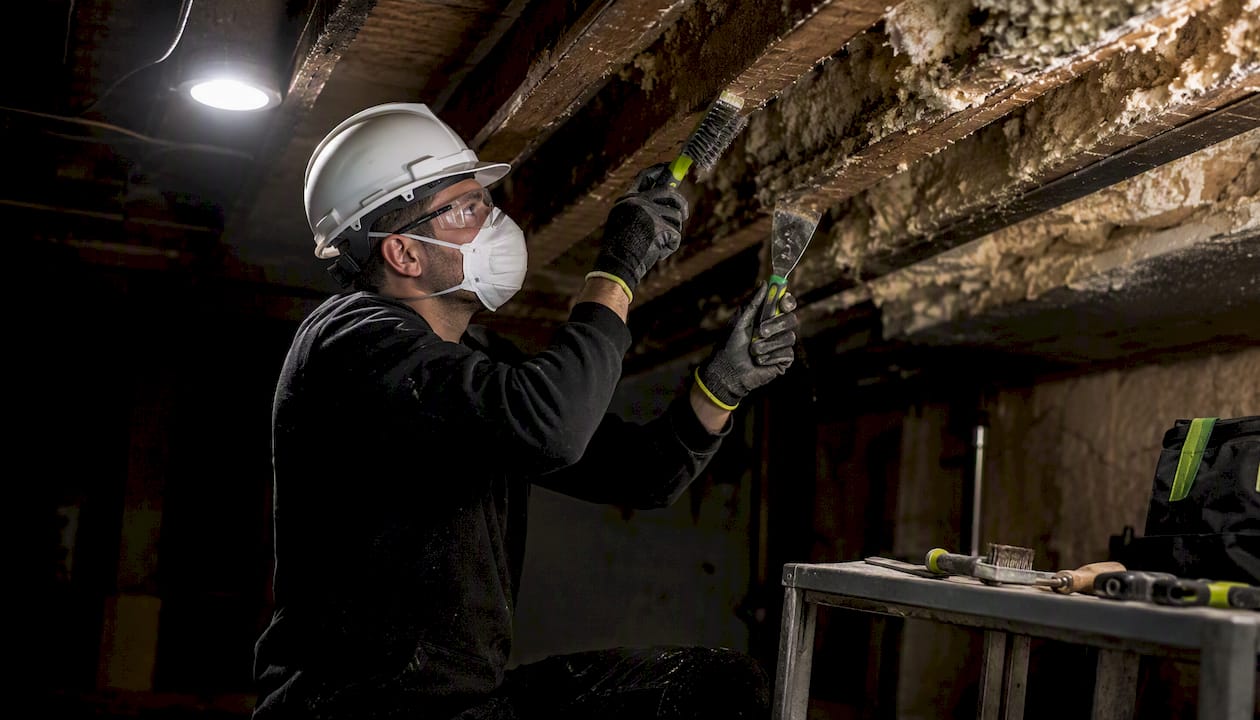
Mechanical removal is the only lender-accepted method. Practitioners cut away bulk foam, scrape residue, and wire-brush each rafter and purlin until raw timber is fully exposed for inspection. Industry guidance confirms that chemical solvents, pressure washing, and heat methods are not accepted by lenders or surveyors and can cause additional damage to timber.
Chemical solvents are sometimes marketed as a faster, cheaper alternative. They rarely remove foam cleanly enough for a surveyor to confirm timber condition, and some products introduce moisture that worsens the very decay risk the lender is worried about. Heat methods carry fire risk in a loft environment. Pressure washing saturates timbers. None of these produce the clean, inspectable surface a post-remediation certificate requires.
How does spray foam removal affect your insurance?
Buildings insurance can be affected at two points. First, some insurers treat spray foam as a material change that should have been declared; failure to declare it can void a policy. Second, during removal works, standard home insurance may not cover contractor-caused damage. Confirm with your insurer before works begin and check whether your removal contractor carries public liability and professional indemnity cover.
After removal, a valid post-remediation certificate and an insurance-backed warranty from the removal contractor strengthen your position with both insurers and lenders. The post-remediation pack should include date-stamped photographs, moisture-content readings, and a written statement from an independent surveyor confirming timber soundness.
Sprayfoamremovalhelp: mortgage-compliant removal, certified

Sprayfoamremovalhelp (trading as Revive Maintenance) handles the entire process for homeowners, landlords, and estate agents across London and the South East. PCA-certified technicians carry out full mechanical removal of both open-cell and closed-cell foam, with electrical isolation, HEPA containment, and rafter-by-rafter wire-brushing as standard. Every job is documented with date-stamped photographs and moisture readings.
After removal, Sprayfoamremovalhelp co-ordinates the independent post-remediation survey that lenders require, and can install Superfoil re-insulation in the same visit window. The 10-year insurance-backed warranty gives lenders and buyers the written assurance they need. Over 1,000 homeowners have used the service. Pricing is transparent, with no hidden fees and no middlemen.
For urgent transactions, emergency same-day removal is available. To get started, book a free inspection or read the full spray foam removal guide to understand exactly what your lender will need.
Key takeaways
Professional mechanical removal followed by an independent post-remediation survey is the only route that restores mortgageability on a property with spray foam on its roof timbers.
| Point | Details |
|---|---|
| Lender refusal risk | Many mainstream UK lenders refuse mortgages where spray foam is present on roof timbers. |
| Independent inspection first | Book a surveyor-led inspection before agreeing to any removal work. |
| Mechanical removal only | Chemical, heat, and pressure methods are not accepted by lenders or surveyors. |
| Post-remediation documentation | Lenders require date-stamped photos, moisture readings, and an independent surveyor's statement. |
| Sprayfoamremovalhelp | Offers PCA-certified mechanical removal, independent survey co-ordination, and a 10-year insurance-backed warranty across London and the South East. |
Why the paperwork matters more than the removal itself
Most homeowners focus on getting the foam out. That is understandable, but the removal is only half the job. What actually unlocks a mortgage offer is the documentation that follows: the independent surveyor's statement, the moisture readings, the photographs. A lender cannot see your loft. They rely entirely on that paper trail.
The same logic applies when choosing a contractor. A firm that issues its own post-remediation certificate is marking its own work. Lenders and RICS-qualified surveyors know this, and many will not accept it. The separation between removal contractor and certifying surveyor is not a bureaucratic nicety. It is what makes the certificate credible.
Cold-callers who offer fast, cheap removal with a certificate included in the price are almost always cutting that corner. National Trading Standards has flagged this pattern repeatedly. The cost of a second removal, if the first is rejected, far exceeds the saving on the original quote.
Useful sources for lenders, surveyors and homeowners
These primary sources cover lender policy, structural risk, and consumer protection for spray foam in the UK:
- RICS spray foam insulation consumer guide: the authoritative surveying standard; explains why foam is treated as a structural alteration and what independent advice homeowners need.
- House of Commons Library briefing on spray foam and mortgages: parliamentary-level summary of ventilation, decay, and lending risks, including the position on government funding for removal.
- UK lender mortgage policies on spray foam: sector guide to which lenders maintain blanket refusal policies and what removal evidence they require.
- UK homeowner removal guide: practical detail on mechanical removal steps, timelines, and post-remediation certificate requirements.
Keep all original installation paperwork and request a full written certificate from any removal specialist. Never accept a certificate issued by the same firm that carried out the removal.
FAQ
Does spray foam always make a property unmortgageable?
Not automatically, but many major UK lenders maintain blanket refusal policies where spray foam is present on roof timbers. Professional removal and independent post-remediation certification typically restores standard lending eligibility.
How long does professional spray foam removal take?
A standard three-bed property typically takes 3–5 working days for mechanical removal, followed by a separate independent survey appointment.
What documents does a lender need after removal?
Lenders require date-stamped photographs of cleaned timbers, moisture-content readings, and a written statement from an independent RICS-qualified or chartered surveyor confirming timber soundness.
Can I remove spray foam myself to save money?
DIY removal is strongly inadvisable. Foam dust requires COSHH-compliant containment, and without professional mechanical methods and an independent certificate, lenders will not accept the outcome.
How does Sprayfoamremovalhelp handle the post-removal certification?
Sprayfoamremovalhelp co-ordinates an independent post-remediation survey by a separate chartered surveyor, providing the photographic records and moisture readings that form the lender-ready documentation pack.