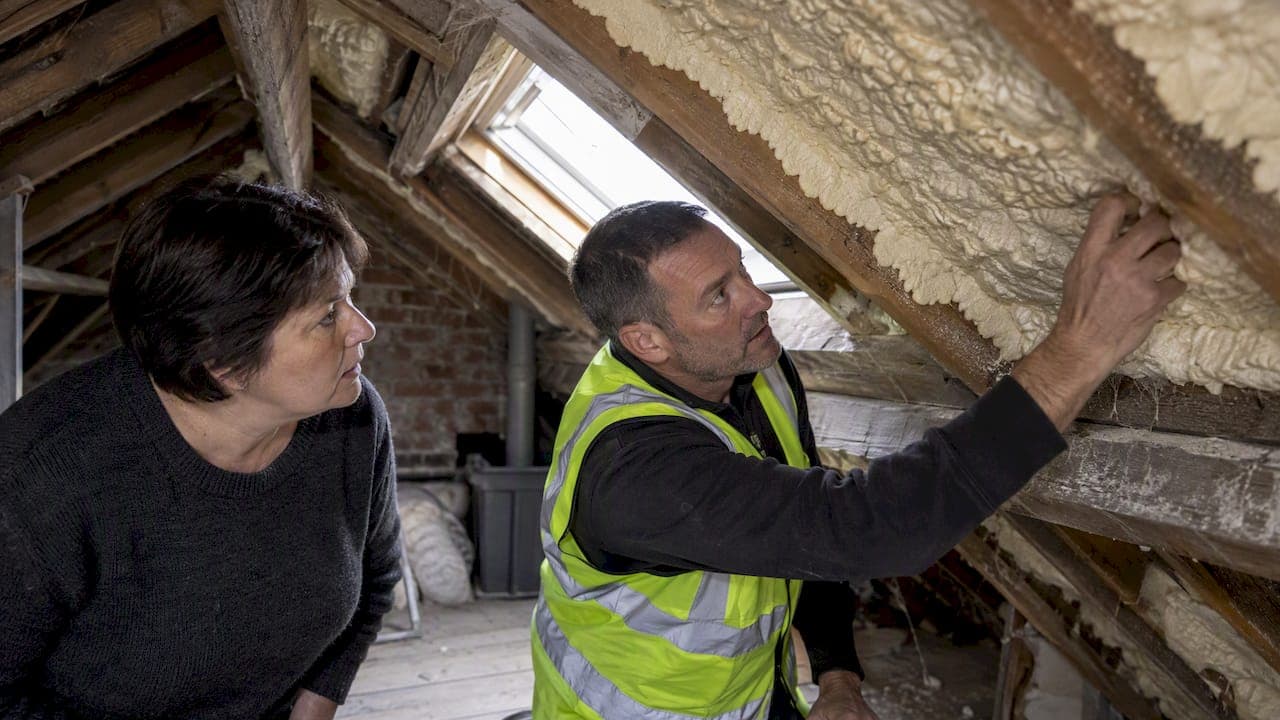
Yes, landlords are legally responsible when spray foam insulation causes damp, mould or timber decay, because the duty to keep a rented property structurally sound and properly ventilated cannot be passed on to tenants. If you spot these problems, the first step is to report the issue in writing, photograph the damage and commission an independent survey before any remedial work begins.
TL;DR:
- The Building Safety Regulator warns that foam against roof coverings or high resistance underlays without ventilation controls raises moisture risk; softened timber signals structural damage.
- Tenants can seek court damages and an order compelling repairs under the 2018 Act, while local authorities may issue improvement notices or pursue enforcement.
- Lenders may reject lending or require more evidence; ask the surveyor beforehand which documents they accept, including installer records, product certificates, independent inspections, and moisture readings.
- Tenants should notify landlords in writing, preserve dated photographs, then commission an independent survey following PCA or RICS guidance before remedial work starts.
- An independent report determines whether partial or complete foam removal is needed; restoring ventilation and retaining certificates, photographs, and moisture logs supports lender reassessment.
Table of Contents
- Symptoms and risks that show spray foam is causing problems
- What landlords must legally provide for tenants
- How spray foam affects mortgages, sales and valuations
- Evidence to gather and the order to act in
- Remediation and certification: making a property mortgageable again
- Why acting quickly serves both landlords and tenants
- How we help with mortgage-compliant removal and replacement insulation
- FAQ
- Sources
Symptoms and risks that show spray foam is causing problems
Spray foam fitted against roof timbers without proper ventilation traps moisture that would otherwise escape. Over months or years this damp has nowhere to go, and it begins attacking the timber and anything stored nearby.
Look out for:
- Persistent damp patches or condensation across the loft space
- Mould spreading beyond the loft into bedroom ceilings or wardrobes
- Roof timbers that feel soft, discoloured or spongy to the touch
- A loft that feels noticeably stuffy or airless compared with before installation
- Musty smells that return even after airing the property
The Building Safety Regulator has found that moisture risk rises sharply when foam is applied directly to roof coverings or to high-resistance underlays with no air and vapour control layer in place. Once timber shows signs of softening or discolouration, the defect has usually moved beyond a cosmetic issue and into structural territory, which is where a landlord's repair duty becomes unavoidable.
What landlords must legally provide for tenants
Two pieces of legislation sit behind every spray foam dispute between landlords and tenants. Section 11 of the Landlord and Tenant Act 1985 requires landlords to keep the structure, exterior and the installations for ventilation and heating in proper repair, and this duty cannot be handed over to a tenant, an installer or a managing agent. The Homes (Fitness for Human Habitation) Act 2018 goes further, setting a baseline standard that a rented home must be fit to live in throughout the tenancy, not just at the start.
This is often described as a non-delegable duty. In practice, that means:
- You remain responsible even if a previous owner or a third-party installer fitted the foam
- A tenant's complaint about damp or mould triggers an obligation to investigate, not dismiss
- Blaming "tenant behaviour" for condensation rarely holds up once a ventilation defect is identified
Where a landlord fails to act, tenants have real remedies. The 2018 Act allows a tenant to apply to court for damages and for an order compelling the landlord to carry out the necessary works, and local authorities can issue improvement notices or, in serious cases, take enforcement action under housing health and safety legislation. Courts dealing with these cases increasingly treat moisture-related timber decay from a poorly installed foam scheme as a repair failure rather than an unfortunate accident, which leaves limited room for a landlord to argue the problem is not theirs to fix.
How spray foam affects mortgages, sales and valuations
Spray foam causes more mortgage and sale friction than almost any other insulation product, largely because it stops surveyors seeing the timber underneath. A valuer who cannot inspect roof timbers directly cannot confirm their condition, and that uncertainty makes lenders cautious.
BBC News reported that major mortgage lenders and building societies have refused lending against properties with spray foam in the roof, or applied extra documentary requirements before agreeing a valuation. Lenders are increasingly asking for:
- Original installer paperwork, including product type and application method
- BBA or Kiwa product certificates confirming the material used
- An independent survey following a recognised protocol, such as the one published by the PCA
- Moisture readings and photographic evidence from timber cores
The practical effects are a reduced valuation, a stalled remortgage application, or a buyer using the foam as a negotiating point to reduce their offer. Our guide on remortgaging with spray foam present covers what lenders ask for in more detail.
Pro Tip: Ask your lender's surveyor, before the valuation visit, exactly which reports they will accept, since requirements vary between lenders and this can save weeks of back and forth.
Evidence to gather and the order to act in
Acting methodically protects both tenants and landlords, and it gives any eventual lender reassessment the paper trail it needs.
- Notify in writing. Tenants should report damp, mould or ventilation concerns by letter or e-mail, and keep copies of everything sent and received.
- Photograph the evidence. Date-stamped photos of affected timbers, mould growth and damp patches build a record that a surveyor or court can rely on.
- Commission an independent survey. A PCA-protocol or RICS-aligned inspection gives an impartial assessment rather than relying on the original installer's view.
- Take moisture readings. A specialist can log timber moisture content over time to show whether decay is active or historic.
- Escalate where needed. Citizens Advice, Trading Standards or the local housing authority can advise tenants on their rights, and a solicitor becomes worth involving once a landlord ignores a written repair request.
Remediation and certification: making a property mortgageable again
Restoring lender confidence usually means more than a quick patch-up. An independent specialist report establishes exactly what is present and how it was applied, which then determines whether targeted removal or a full strip-out is required. Once foam is removed, remedial ventilation works and a replacement insulation option, such as Superfoil, bring the loft back to a standard surveyors recognise.
Lenders and surveyors tend to accept:
- PCA inspection protocol reports confirming the roof's current condition
- BBA or Kiwa certificates for any replacement product installed
- Installer warranties, ideally insurance-backed, covering future workmanship
- A combined file of photographs, moisture logs and certificates compiled throughout the project
A complete remediation file, rather than a single certificate, is what reduces lender friction most. Our piece on PCA and RICS reports for insurance and mortgage purposes sets out which documents tend to satisfy both insurers and lenders at the same time.
Pro Tip: Keep every document from day one, including the original installation contract if you can find it, since gaps in the paper trail are often what cause lenders to ask further questions.

Why acting quickly serves both landlords and tenants
Delay rarely helps anyone in a spray foam dispute. The longer damp sits untreated, the more timber damage accumulates, and the more expensive remediation becomes. Landlords who commission a documented, certified fix early preserve both the property's value and its habitability, while tenants get a resolved, liveable home instead of a drawn-out complaint.
Lender-accepted certification also tends to settle valuation disputes faster than an unresolved argument over whether a problem exists at all. We'd always rather see a certified specialist handle removal than a DIY attempt or an uncertified installer patching over a ventilation fault, because a job that satisfies a PCA protocol the first time avoids a second, costlier round of remedial work later.
— jessica
How we help with mortgage-compliant removal and replacement insulation
We carry out open and closed cell spray foam removal across London and the Southeast, with PCA-certified technicians who understand what lenders and surveyors need to see. Where a survey is the right first step, our Basic Visual Survey, Full Roof Report and drone survey options give you documented evidence before any work starts, and we can follow removal with Superfoil replacement insulation so the loft performs properly again.

Every job comes with transparent, fixed pricing and a warranty, and you deal directly with the technicians doing the work rather than a call centre or a lead-selling website. If you're facing a lender query, a tenant complaint or a sale that's stalled because of spray foam, book a home visit and quote and we'll assess what documentation and remediation your property actually needs.
This article is general information, not a substitute for advice from a qualified lawyer. Consult a qualified legal professional about your own circumstances before acting on anything here.

FAQ
Is spray foam illegal in the UK?
Spray foam insulation is not illegal to install in the UK, but it is not automatically compliant either. The issue is that poor installation, particularly foam applied directly to roof coverings without proper ventilation, creates the moisture and timber decay problems that lead to lender refusals and landlord repair disputes, as highlighted in the Building Safety Regulator's guidance.
What do landlords legally have to provide?
Under Section 11 of the Landlord and Tenant Act 1985 and the Homes (Fitness for Human Habitation) Act 2018, landlords must keep the structure, exterior and ventilation installations in proper repair and ensure the home is genuinely fit to live in throughout the tenancy. This duty applies regardless of who originally installed any insulation.
Why can't you sell a house with spray foam insulation?
Selling isn't impossible, but it is often delayed because surveyors cannot inspect roof timbers hidden beneath the foam, which makes lenders cautious about approving a mortgage. Lenders have refused or added conditions to lending on properties with spray foam, and a documented independent survey is usually what unblocks the sale.
Can I sue for spray foam insulation?
Tenants can apply to court for damages and an order requiring repairs where a landlord fails to address damp, mould or timber decay caused by spray foam, under remedies set out in the Homes (Fitness for Human Habitation) Act 2018. Homeowners with a poorly installed or misrepresented product may also have a claim against the installer, though this depends on the specific contract and evidence available.
Sources
- Moisture risk of spray foam insulation applied to timber sloped roofs in dwellings (Building Safety Regulator)
- Spray foam insulation (RICS consumer guide)
- Major lenders reject homes with spray foam insulation - BBC News
- Spray foam insulation applied to timber sloped roofs in dwellings (PCA / gov.uk asset PDF)