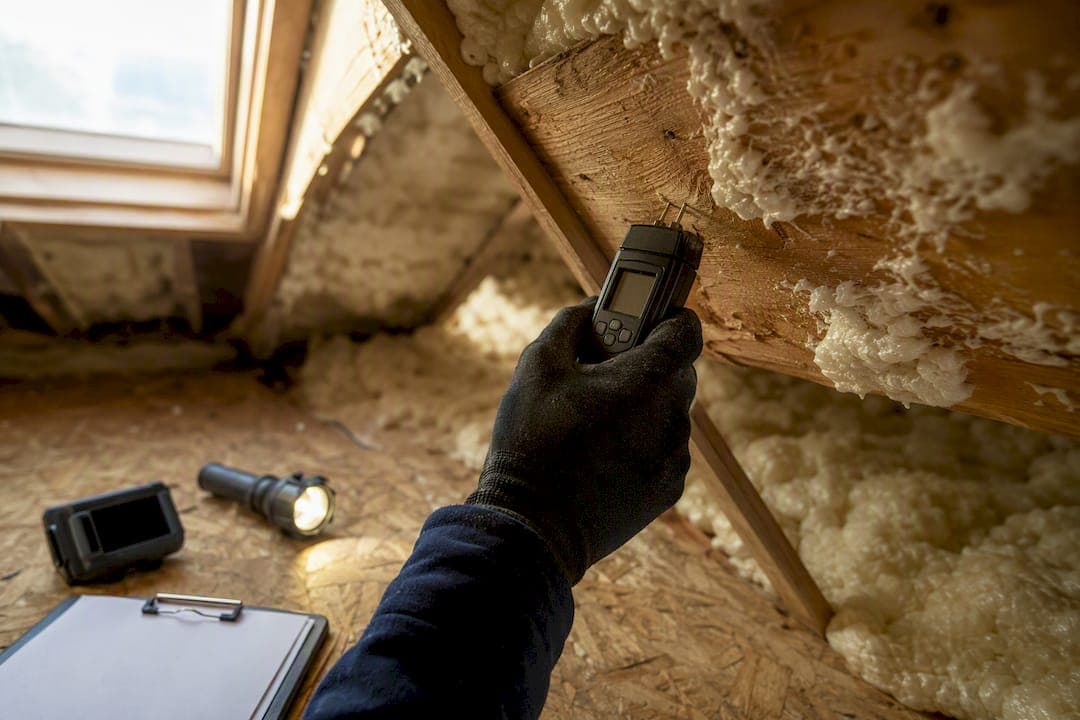
If a surveyor refused loft spray foam on your report, the fix is usually straightforward: gather your installation paperwork, book a Property Care Association (PCA) or RPSA-standard specialist inspection, and, if the findings warrant it, arrange mortgage-compliant removal with a post-remediation certificate. Which step comes first depends on what documentation you already have and how your lender responded.
Your immediate next call matters more than you might think:
- Speak to your conveyancer today and ask them to get the exact wording your lender's underwriter used.
- Contact a PCA-trained inspector to assess whether removal is actually necessary or whether documentation alone could satisfy the lender.
- Or book a free inspection with Revive Maintenance to get a straight answer on your foam's condition before you spend money on anything else.
Don't wait for a second surveyor to say the same thing. Lenders move faster once you have a plan in hand.
Key Takeaways
Resolving a spray foam refusal depends on matching the right evidence, either a compliant specialist report or full certified removal, to what your specific lender actually requires.
| Point | Details |
|---|---|
| Start with paperwork | Installer certificates, warranties and photos can sometimes satisfy a lender without removal. |
| Lender policy varies widely | Some assess case by case; a quarter of major lenders refuse outright, per BBC reporting. |
| Specialist inspection has clear value | A PCA/RPSA-compliant report with moisture readings can unlock lending if timbers check out sound. |
| Removal costs scale with foam type | Open-cell runs roughly £20 to £30/m², closed-cell £30 to £50/m², per industry guidance. |
| Certified removal restores mainstream options | Revive Maintenance's PCA-certified team offers a free inspection and a 10-year insurance-backed warranty on mortgage-compliant removal. |
Table of Contents
- Why surveyors flag spray foam and what a refusal really means
- How lenders react and what your realistic options are
- What documentation could help you avoid removal
- What does a specialist inspection actually check?
- Remediation options, typical costs and the risks of cutting corners
- What happens after remediation, and how long does it take?
- Week-by-week checklist for a surveyor refusal
- How Revive Maintenance can help you move forward
- Why the "just get a second opinion" advice misses the point
- Get a free inspection and a clear path to mortgage approval
- Sources
Why surveyors flag spray foam and what a refusal really means
A surveyor's job is to report what they can see, and spray foam prevents them from seeing anything at all. Once foam is sprayed directly onto rafters, it bonds to the timber and hides the roof structure completely, which means rot, damp, woodworm and historic repairs all become invisible. RICS is explicit that this is a factor which can affect a surveyor's professional opinion of value, because they simply cannot inspect what the foam covers.
The wording that ends up on your report is what causes the trouble. Phrases like "timbers concealed" or "unable to inspect" get read by mortgage underwriters as an unquantified risk, not a minor caveat, and underwriters are trained to treat unquantified risk conservatively.
Some of the UK's biggest lenders have stopped lending on homes with spray foam in the roof, according to BBC research covering many affected properties.
The type of survey you commissioned changes what happens next:
- A RICS Level 2 survey (Homebuyer Report) flags visible concerns but rarely investigates further.
- A RICS Level 3 survey (Building Survey) tends to probe harder, and its more detailed language often triggers a firmer lender response.
How lenders react and what your realistic options are
Lender policy on spray foam is not uniform, and that inconsistency is actually useful to you. Some mainstream lenders assess each application individually, weighing up foam type, roof condition and available documentation. Others, including several equity-release providers, refuse outright regardless of paperwork.
Where a lender is willing to engage, they typically ask for one or more of the following:
- A PCA or RPSA-compliant specialist inspection report.
- A removal certificate confirming the foam has been professionally stripped out.
- Installer documentation, including product certification and warranty details.
The practical fallout varies with how your lender responds. A cautious lender might still proceed but at a reduced valuation or a higher interest rate to offset perceived risk. Others will only offer through a specialist lender used to non-standard properties, which usually means a smaller panel and worse terms. Removing the foam properly and obtaining a compliant certificate tends to restore access to the mainstream mortgage market, which is why most homeowners who need to sell quickly end up going down that route rather than searching endlessly for a sympathetic lender.
What documentation could help you avoid removal
Before you assume removal is your only option, pull together everything you have. A well-documented file has occasionally persuaded lenders to proceed without any physical work at all, though the outcome always depends on what the paperwork actually shows.
- Installer certification — BBA or Kiwa certificates confirming the product met recognised technical standards when fitted.
- Installer warranty and invoices — proof of who fitted the foam, when, and what guarantee came with it.
- Product datasheets — the exact specification of the foam used, since closed-cell and open-cell products carry different risk profiles.
- Photographic evidence — pre-installation and post-installation photos showing the roof structure before it was covered.
- Any prior survey or maintenance reports — anything that shows the timbers were sound before the foam went in.
Hand all of this to your conveyancer in one pack rather than piecemeal. Lenders generally give the most weight to installer certification and the type of foam used, so lead with those.
Pro Tip: Scan everything into one PDF before your conveyancer asks. A tidy, complete file moves faster through underwriting than five separate emails sent over a fortnight.
What does a specialist inspection actually check?
A PCA/RPSA-compliant inspection is a different exercise entirely from a standard survey, because the inspector goes in specifically to assess the foam and what it might be hiding. RICS itself points homeowners toward this kind of specialist assessment when a general survey has already raised concerns.
A compliant inspection typically covers:
- Moisture readings taken at multiple points across the roof timbers.
- Visual assessment of any exposed timber, wherever the foam allows partial viewing.
- A structured report format that underwriters recognise and can weigh against their lending criteria.
Whether this report gets you off the hook for removal depends entirely on what it finds. A clean result with no moisture concerns and good installer paperwork behind it can sometimes satisfy a lender outright.
A PCA/RPSA-compliant inspection report that includes moisture measurements, clear photographic evidence and a firm opinion on timber condition is often the deliverable underwriters will accept in place of full removal.
If it finds elevated moisture or signs of decay, removal becomes the only realistic path forward. When you commission an inspector, check they hold recognised PCA training and ask to see a sample report before you pay a deposit.
Remediation options, typical costs and the risks of cutting corners
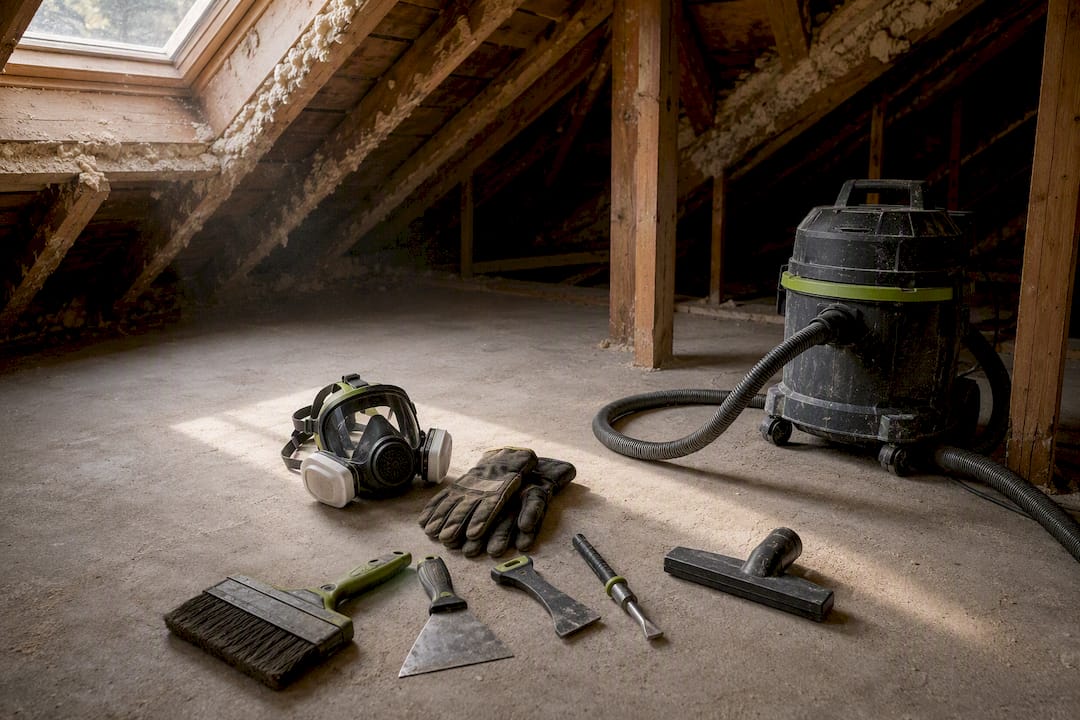
Mortgage-compliant removal is a controlled process carried out by trained technicians, not a job for a general builder with a heat gun and a Saturday free. It involves careful extraction of the foam without damaging the timber underneath, followed by a structural assessment and formal certification that a lender's underwriter can actually rely on.
Costs vary mainly by foam type and how the roof was built:
- Open-cell foam removal tends to sit at the lower end of the market.
- Closed-cell foam costs more to remove because it is denser and bonds more aggressively to timber.
Industry cost guidance puts open-cell removal at roughly £20 to £30 per square metre and closed-cell at £30 to £50 per square metre, though restricted access, extra depth, or contamination from long-term moisture exposure all push the final bill higher.
Cutting corners here creates a worse problem than the one you started with. Rogue traders and cold callers have targeted homeowners in this exact situation, and a joint PCA and Homeowners Alliance letter warns specifically about this kind of exploitation. An uninsured or uncertified removal leaves you with no warranty and no report a lender will trust, meaning you could pay twice: once for the bad job, once to have it redone properly.
What happens after remediation, and how long does it take?
Removal on its own does not automatically unlock a remortgage or sale. The sequence that gets you there runs through inspection, certification, and re-valuation, and skipping steps just adds delay later.
- Post-removal inspection confirms the timbers are structurally sound and free of the damage that foam sometimes conceals.
- Certification is issued, ideally backed by an insured warranty, giving underwriters something concrete to assess.
- The lender re-values the property using the new report, which resets both the valuation and the loan-to-value ratio.
- Mainstream lending options reopen, often at standard rates rather than the specialist terms you may have been offered before.
Realistically, this whole cycle takes several weeks from booking removal to a lender accepting the new valuation, with the inspection-to-report stage usually the fastest part and the lender's own processing the slowest. Bring your mortgage broker into the conversation early. A broker who coordinates timing between your solicitor and the lender can prevent you paying for a second valuation because the first one expired while paperwork was still moving.
Week-by-week checklist for a surveyor refusal
- Days 1 to 3: Ask your conveyancer for the lender's exact wording, pause any pending mortgage offer, and start collecting installer paperwork.
- Days 4 to 7: Book a specialist inspection, or use Revive Maintenance's free inspection to get a clear read on your situation at no cost.
- Weeks 1 to 4: Decide between pursuing a specialist report or committing to removal, get written quotes, and let your estate agent or buyer know what's happening so nobody is caught off guard.
- Weeks 4 to 12: Complete the removal or secure specialist acceptance, schedule the post-remediation survey, and reapply to mainstream lenders once certification is in hand.
Pro Tip: Tell your buyer or estate agent what's happening as soon as you know, not once removal is finished. Sales that collapse from spray foam issues usually do so from silence, not from the foam itself.
How Revive Maintenance can help you move forward
Revive Maintenance was built for exactly this situation. Our PCA-certified technicians carry out mortgage-compliant removal across London and the Southeast, backed by a 10-year insurance-backed warranty, and we start with a free inspection so you know what you're dealing with before committing to anything.
- You deal directly with the technicians doing the work, not a call centre passing messages along.
- We prepare the documentation lenders actually ask for, including post-remediation reports.
- Pricing is transparent from the outset, with no hidden fees added once the job is underway.
Whoever you choose to remove your foam, ask three questions first:
Are your technicians PCA-trained? Is the work covered by insurance? Will I receive a post-remediation report my lender can rely on?
If the answer to any of those is unclear, keep asking until it isn't.
Why the "just get a second opinion" advice misses the point
Most guidance on spray foam refusals nudges homeowners toward shopping around for a more lenient surveyor or lender. That advice ignores what the research behind this article actually shows: the problem isn't the surveyor's attitude, it's the physical fact that foam conceals timber, and no amount of lender-shopping changes what's under your roof.
The conventional advice also underestimates how much good documentation can do on its own. Homeowners assume removal is inevitable the moment a surveyor flags foam, when in practice a clean PCA-standard inspection report has settled plenty of cases without a single square metre being stripped out.
What should come first isn't a new lender application. It's an honest assessment of what's actually under the foam, because that answer determines every decision after it. Homeowners who skip straight to "which lender will say yes" often waste weeks chasing an answer that documentation or a proper inspection would have given them in days. Get the facts first. Everything else follows from there.
Get a free inspection and a clear path to mortgage approval
Sprayfoamremovalhelp is the direct route to resolving a surveyor refusal without the guesswork of shopping between lenders or gambling on an uncertified contractor. Where a broker can only tell you which lender might accept your paperwork, Revive Maintenance's PCA-certified team can tell you exactly what's under your foam and fix it, with a 10-year insurance-backed warranty and no hidden fees once the quote is agreed.

Because you deal directly with the technicians carrying out the removal, there's no middleman adding delay while your mortgage offer sits on hold. We've handled this exact scenario for over 1,000 homeowners across London and the Southeast, producing the certification lenders want to see before they'll re-value a property.
Start with a free inspection to find out where you stand, or read the full removal process if you already know removal is the route you need.
Sources
Read RICS guidance, PCA advice, and the government technical note for the original source detail behind this guide.
- Spray foam insulation | Royal Institution of Chartered Surveyors (RICS)
- Sprayed foam insulation advice | Property Care Association
FAQ
Is spray foam insulation banned in the UK?
No, spray foam insulation is not banned in the UK, but lender appetite has fallen sharply since problems with poor installations came to light, and government guidance now flags the risks of applying it directly to timber roofs.
Can you get a mortgage with spray foam in the loft?
It depends on the lender. Some assess applications case by case using a specialist inspection report, while roughly a quarter of major UK lenders refuse outright according to BBC research, though certified removal with a post-remediation certificate typically restores access to mainstream mortgage options.
What is the problem with spray foam in a loft?
Spray foam bonds directly to roof timbers and conceals them, which stops a surveyor inspecting for rot, damp or historic structural defects, a risk RICS explicitly warns can affect valuation.
Can I sue for spray foam insulation?
You may have grounds to pursue a claim against the original installer if the work was done poorly or without proper certification, particularly where scams or rogue traders were involved, and a solicitor or Trading Standards can advise on your specific case.
Does Sprayfoamremovalhelp offer a free assessment before removal?
Yes, Revive Maintenance offers a free inspection to assess your loft's foam and advise whether specialist reporting or full removal is the right next step.