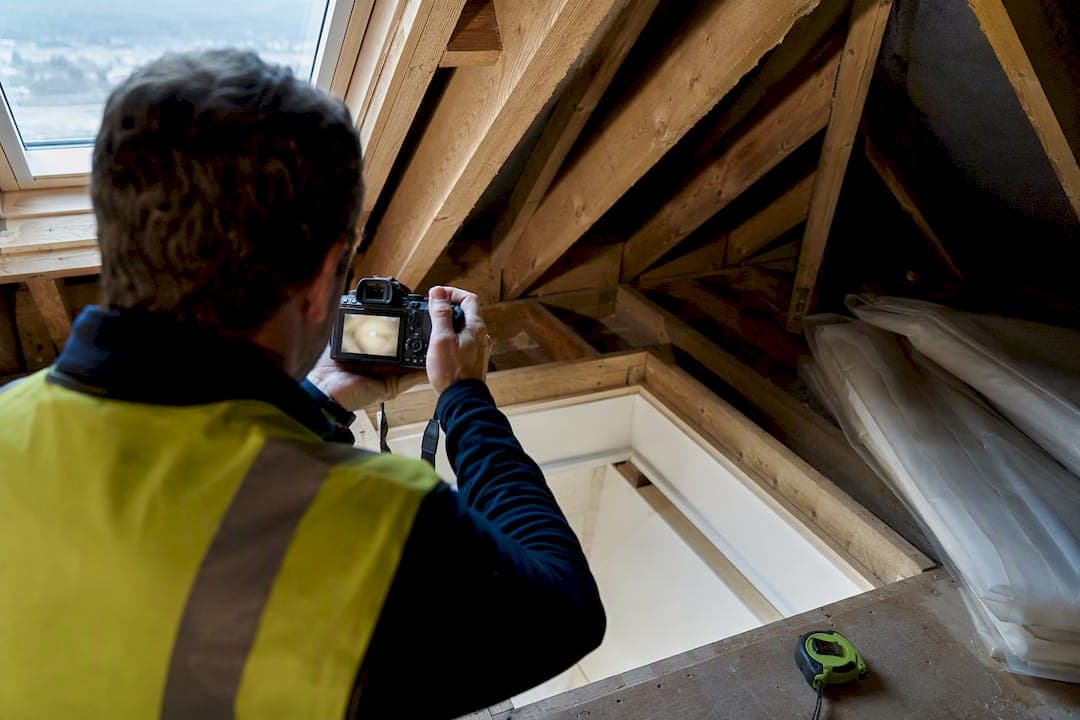
Most standard home insurance policies will not pay for spray foam removal, and the government has ruled out direct funding too. Compensation is possible, but only through specific routes: Section 75 credit protection, a mis-selling complaint against the installer, or a Financial Ombudsman decision. Your first move should not be to remove the foam. Photograph everything, gather your paperwork, and book an independent RICS survey before any removal work starts.
TL;DR:
- Most insurance policies do not cover spray foam removal, and lenders often refuse or add exclusions based on unassessed or poorly installed foam.
- Compensation is only possible through specific routes such as Section 75 claims for credit card payments, or rulings by the Financial Ombudsman for mis-sold installations.
- Removal costs typically range from £1,500 to over £50,000 depending on roof size, foam type, timber condition, and necessary repairs or scaffolding.
- Proper documentation, including photos, original paperwork, and an independent RICS survey, is essential before making a claim or starting removal work.
- Always ensure contractors have solid insurance, waste licenses, and experience producing lender-acceptable certificates to avoid complications or invalid claims.
Table of Contents
- Will home insurance or a mortgage lender cover spray foam removal?
- Can you recover the cost through Section 75 or the Financial Ombudsman?
- How much does spray foam removal cost, and why do some jobs cost so much more?
- What should you check before hiring a spray foam removal specialist?
- What evidence do you need before starting a claim or removal?
- How Sprayfoamremovalhelp handles mortgage-compliant removals
- The three things I'd do first if I found spray foam in my loft
- Get a free inspection before you commit to removal or a claim
- Sources
- FAQ
Will home insurance or a mortgage lender cover spray foam removal?
Insurers do not like spray foam because they cannot see what it is hiding. Once foam is sprayed directly onto roof timbers, damp, rot, and structural movement all become invisible until they have already caused damage. That uncertainty is why insurers respond in one of three ways: refusing cover outright, adding a specific exclusion for roof and timber damage, or offering cover only at a higher premium with conditions attached.
Mortgage lenders react in a similar way, and the practical fallout tends to land at the worst possible moment, usually during a sale or remortgage. A surveyor who flags spray foam on a valuation report can trigger a lender to demand removal, request a specialist report, or decline the mortgage altogether. Equity release providers apply the same scrutiny, so retirement plans built around a property's value can stall unexpectedly.
Not every case ends in removal, though. RICS guidance makes clear that removal is not automatic for compliant, well-ventilated installations. A qualified surveyor can sometimes recommend remediation, such as improved ventilation or targeted repairs, rather than stripping the whole roof. That distinction depends entirely on the survey findings, not on what a homeowner assumes or an installer claims.
Complaints about spray foam more than doubled between 2024 and 2025, according to Citizens Advice, and lender caution has risen alongside that trend.
Common insurer and lender responses include:
- Declining buildings cover for properties with unassessed spray foam.
- Applying a specific timber or roof damage exclusion.
- Requiring an independent survey before agreeing a mortgage offer.
- Charging a higher premium once cover is agreed.
- Accepting remediation instead of removal where a surveyor confirms low risk.
Can you recover the cost through Section 75 or the Financial Ombudsman?
Compensation is realistic, but only when the paperwork and timing line up. If you paid any part of the installation on a credit card, or through a linked loan agreement, Section 75 of the Consumer Credit Act makes your card provider jointly liable for problems with the work. That single fact opens a route many homeowners overlook entirely.
The Financial Ombudsman Service has already ruled on cases involving spray foam mis-selling. In one adjudication, the Ombudsman ordered a refund plus interest after finding the installation had not been carried out with reasonable care and skill. Outcomes like this show refunds and, in some cases, reasonable removal costs are genuinely recoverable, not theoretical.
Follow this sequence if you believe your foam was mis-sold:
- Contact the original installer and any insurance-backed guarantee provider first, in writing.
- If you paid by credit card, raise a Section 75 claim with your card issuer.
- Report the installer to Trading Standards and check their TrustMark registration status.
- Escalate to the Financial Ombudsman if the installer or lender does not resolve the complaint within eight weeks.
Claims fail for predictable reasons. Watch out for:
- Missing the Limitation Act time bar, typically six years from when the problem was discoverable.
- Removing the foam before an independent survey, destroying the evidence a claim depends on.
- No installation paperwork, invoice, or contract to prove who fitted the product and when.
- Weak documentation of the fault itself, rather than an expert surveyor's report.
Ombudsman case files repeatedly show delayed reporting and premature removal as the two most common reasons a claim collapses.
How much does spray foam removal cost, and why do some jobs cost so much more?
Removal costs vary enormously depending on the roof and the extent of hidden damage. Citizens Advice reports costs typically fall between £1,500 and £4,000, though extreme cases involving structural timber repairs have exceeded £50,000. That gap is not random. It comes down to a handful of specific cost drivers.
- Roof size and access: larger lofts and roofs needing scaffolding cost more to work on safely.
- Foam type: closed cell foam is denser and harder to remove than open cell, which increases labour time.
- Timber condition: rot or damp found once the foam is stripped away adds carpentry and repair costs.
- Waste disposal: foam must go to licensed waste facilities, and volume affects the disposal bill.
- RICS sign-off: a post-removal survey adds cost but is often what a lender actually requires.
A straightforward loft with open cell foam and no hidden damage can be finished in a day or two. A closed cell job with significant timber decay, full scaffolding, and remedial carpentry can run to a week or more before a certificate is issued. Emergency removals cost more again, since contractors have to reprioritise other bookings to fit you in. For a fuller cost breakdown by roof type, the loft foam removal cost guide sets out realistic ranges by job size.
What should you check before hiring a spray foam removal specialist?
The right contractor protects both your safety and your paperwork trail. Lenders will not accept a removal certificate from just anyone, so credentials matter as much as price.
Look for these essentials before booking anyone:
- Public liability insurance of at least a million pounds.
- A valid waste carrier licence, since foam counts as controlled waste and cannot be dumped casually.
- Professional indemnity cover and PCA-level training or equivalent hands-on experience.
- A track record of producing lender-compliant removal certificates, not just "removal done" invoices.
- Willingness to arrange or support an independent post-removal RICS report if your lender asks for one.
Pro Tip: Never accept dry ice blasting for roof foam removal. It sounds efficient, but the Property Care Association warns it can damage tiles, felt, and timber, turning a straightforward job into an expensive repair bill.
Other red flags include cold callers offering same-day discounts, contractors who cannot produce waste licence evidence on request, and anyone reluctant to work alongside a RICS surveyor. Lenders typically want four documents before they will reconsider a mortgage: the pre-removal RICS survey, the removal certificate itself, dated photographs of the work, and the original installer paperwork if you still have it. The spray foam removal process guide walks through what that paperwork trail looks like in practice.
What evidence do you need before starting a claim or removal?
Evidence collected in the wrong order is often worthless. Insurers, the Ombudsman, and lenders all judge a claim by what was documented before the foam came out, not after.
Follow this sequence:
- Photograph the foam from multiple angles, including any visible damp staining or timber discolouration.
- Locate every piece of paperwork: the original quote, invoice, guarantee certificate, and any correspondence with the installer.
- Book an independent RICS survey before any removal work begins, unless there is an immediate safety risk.
- Contact the installer and any guarantee provider in writing, then raise a Section 75 claim if you paid by credit.
- Complain to Trading Standards or via TrustMark, then escalate to the Financial Ombudsman if unresolved.
If the situation is genuinely urgent, such as active water ingress, document everything before and during the emergency work: photographs, contractor statements, and receipts. That record can still support a later claim even when removal could not wait for a full survey. If you have lost the original paperwork entirely, the manufacturer can often confirm the product type from batch numbers, which helps a surveyor assess what was actually installed.
How Sprayfoamremovalhelp handles mortgage-compliant removals
Technicians remove both open and closed cell foam, providing paperwork lenders and surveyors recognise. Every job produces a written removal certificate and waste disposal evidence, alongside support for documentation your surveyor or lender requests.
That matters because a removal job without proper certification can leave you back at square one, unable to remortgage or sell despite having paid for the work. Clients deal directly with the technicians carrying out the removal, with pricing agreed upfront.
- Technicians handle both open and closed cell foam.
- Written removal certificate and waste disposal records on completion.
- Assistance preparing documentation for RICS surveyors and mortgage lenders.
- A warranty covers the completed work.
The three things I'd do first if I found spray foam in my loft
Photograph the foam, get an independent RICS survey booked, and keep every scrap of paperwork before you touch anything else. Those three steps preserve your evidence and your options, and skipping any of them is how strong claims quietly fall apart.
If there is a genuine safety issue, such as active leaking or visible structural sag, get it dealt with immediately rather than waiting on a survey. Just document the emergency thoroughly: photos, contractor notes, and receipts, so you can still make a case afterwards. Where mis-selling feels likely, contact Citizens Advice or start building your case towards the Financial Ombudsman early. Waiting rarely helps, and time limits do exist.
— jessica
Get a free inspection before you commit to removal or a claim
A fast, practical way to find out exactly what you are dealing with is available, before you spend money on removal or lodge a claim you cannot yet evidence properly. A free inspection can give a clear picture of the foam type, roof condition, and what a lender or insurer might want to see.

From there, technicians carry out removal with RICS-friendly paperwork built in, backed by a warranty, so the certificate received is one lenders and surveyors accept. There are no middlemen and no hidden costs added once work begins. If you are weighing up whether removal is even necessary, the spray foam removal guide is a good place to start. Book your free inspection today and find out where you stand before making any irreversible decisions.
Sources
- Financial Ombudsman decision DRN-5665966
- Citizens Advice — A foamidable challenge (2025)
- House of Commons Library research briefing: Spray foam insulation and mortgages
- RICS — spray foam consumer guide
FAQ
Is there compensation available for spray foam insulation removal?
Compensation is possible if the installation was mis-sold or breached your consumer rights, typically through a Section 75 claim if you paid by credit, or a Financial Ombudsman complaint against the installer or lender. There is no general government compensation scheme for removal costs.
Will insurance companies insure a house with spray foam insulation?
Some insurers will still offer cover, but many refuse, apply a timber or roof damage exclusion, or charge a higher premium. An independent RICS survey confirming low risk can sometimes improve your options.
Is spray foam insulation banned in the UK?
Spray foam insulation is not banned in the UK, but poor installation practices have caused widespread problems with damp, timber damage, and mortgage refusals. The House of Commons Library confirms there is currently no direct government funding to remove it, even where it was fitted under a grant scheme.
Can I sue for spray foam insulation?
You can pursue legal action or a formal complaint if the installer failed to carry out the work with reasonable care and skill, particularly where you have photographic evidence and a RICS survey report. Most homeowners get faster results going through Section 75, Trading Standards, or the Financial Ombudsman before considering court action.
How do I start an insurance claim or complaint for spray foam removal?
Contact the installer and any guarantee provider first, then raise a Section 75 claim with your card issuer if you paid by credit, escalating to the Financial Ombudsman if the dispute is not resolved. Get an independent RICS survey before any removal work, since evidence gathered afterwards is far weaker.